The COVID-19 pandemic may be behind us, but it still shapes how we work.
Today, hybrid working has become the norm, with many employees splitting their working week between their homes and the office. Expectations of the office have changed, too – employees no longer want to spend their days in dull, lifeless workplaces.
Industrial insurer HDI Global’s new Stockholm office illustrates this shift. Designed in collaboration with workplace consultancy and management firm Tenant and Partner and a team of architects, the remodel is a physical expression of the needs and wants of today’s workforce.
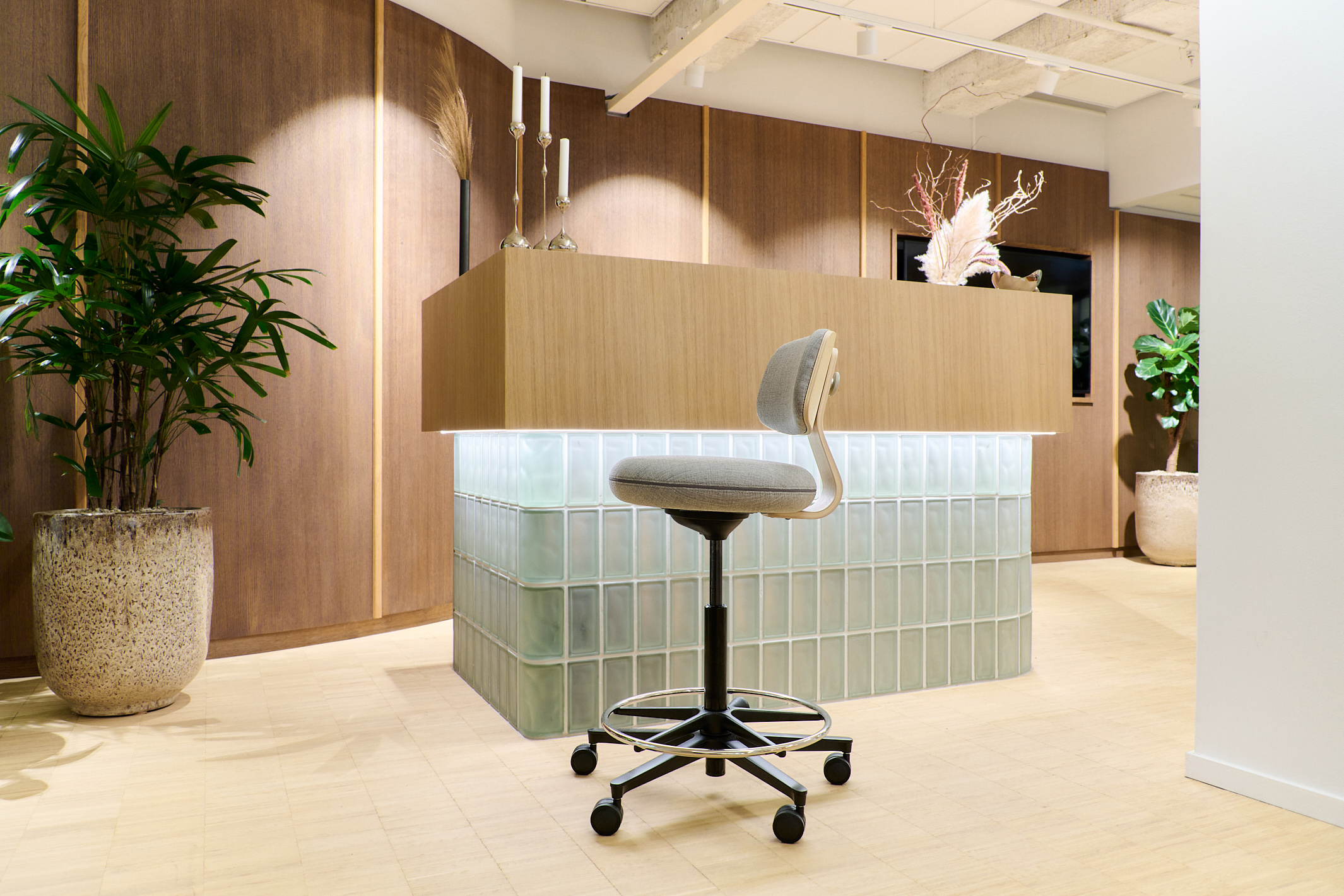
“For us, it was important to create a homey feeling and make people want to come into the office,” says Emelie Ununger, office manager at HDI Global.
The brief became to create a “hotel” look and feel, explains Emelie. “The warm colours make it feel calm, and it fits really well with the interior – especially with the greyish walls. Everything feels cohesive.”


Chairs that rise to the task
The office – which welcomed employees in March 2025 – aims to inspire a communal atmosphere, encouraging teams to interact not just amongst themselves but with the wider company.
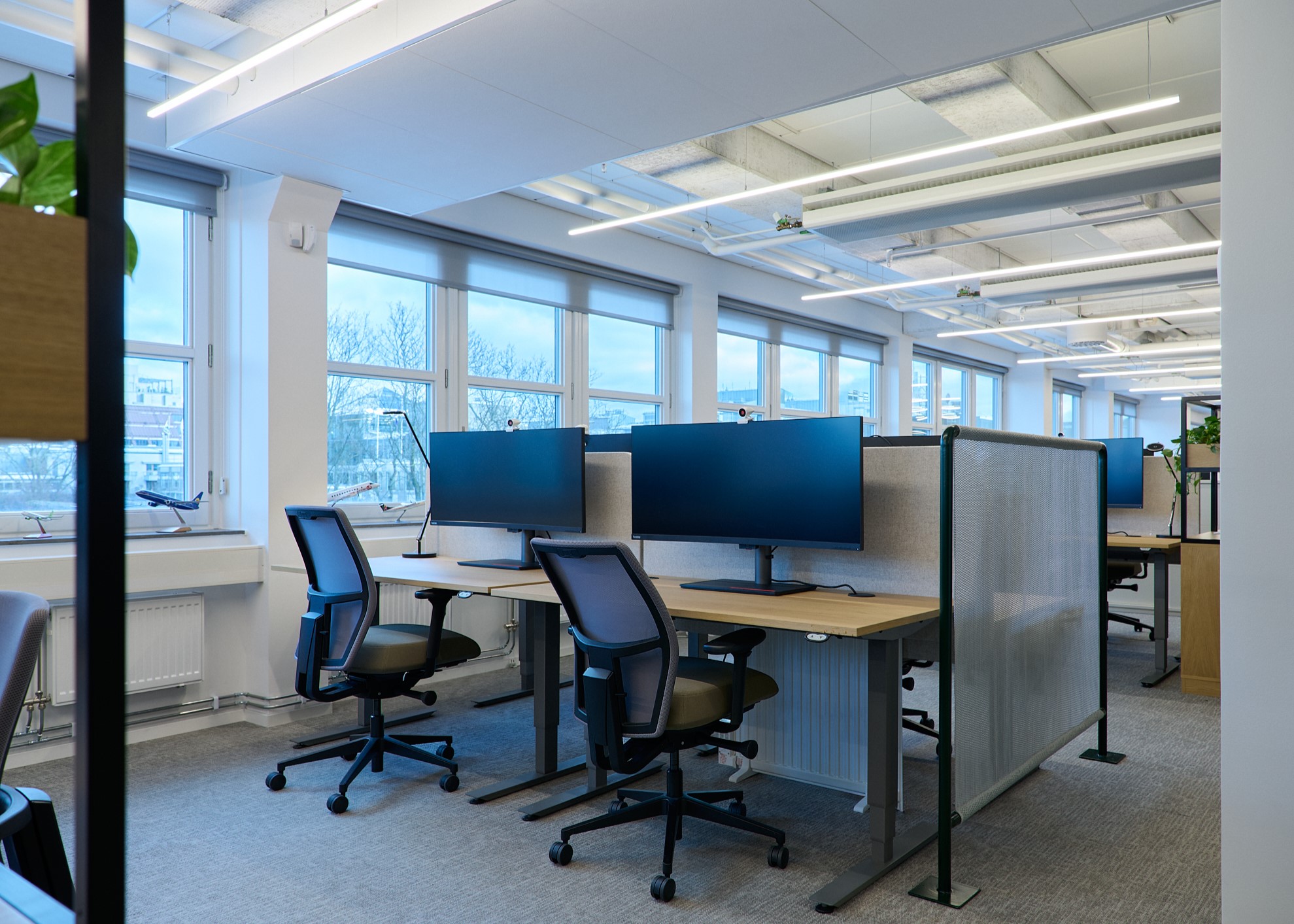
Hot desking helps realise this vision, with Savo chairs playing a central role.
“It was important that the chair is easy to adjust, because no one has their own seat now,” explains Emelie. “You sit in a new chair every day, so we wanted people to be able to adjust it to their preferences each morning.”
The team tested several office chair brands before landing on Savo, a choice they are “very happy” with.
Built to be self-explanatory, Savo task chairs are easy to adjust, with many models featuring technology that automatically adapts to the user’s weight and movements.
HDI Global chose different models for desk work, meeting areas, and reception to suit how each space is used. In total, they have 85 Savo Soul chairs and seven Savo 360s. To encourage personalisation, the company shared instructions on how to adjust each model on its intranet.
For one employee, the ease of adjustment supports how they work throughout the day: “Sometimes I sit upright in the forward position. Other times, I’m more relaxed, and I can lean back more. If I need to focus on posture, I sit more upright.”

A cleaner approach to shared seating
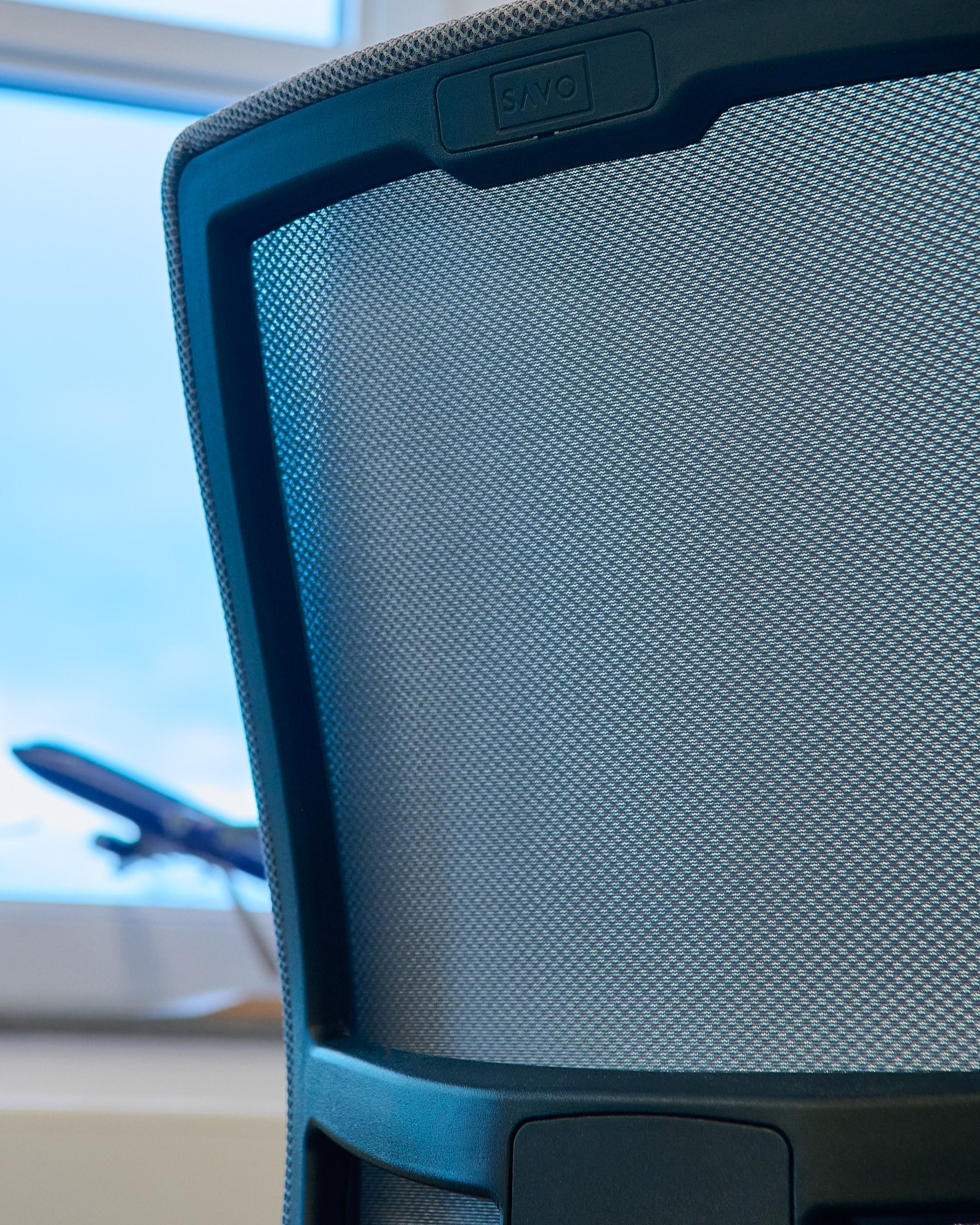
Hygiene can become an issue when office chairs are in constant user rotation. Headrests in particular can quickly show signs of heavy use, such as grease stains from hair styling products.
“We felt it would be nicer without [headrests], so people wouldn’t avoid certain chairs because they don’t feel clean,” says Emelie.
While some people initially expressed concern, Emelie says she hasn’t heard “any negative feedback” since moving into the office. The chairs, she believes, have been a big part of the new space’s overall success.
We wanted to get away from the ‘normal, boring’ chairs we had before – so we’re very happy with this choice.
Emelie Ununger, office manager at HDI Global.