Story

Savo Sitdowns: Envisioning the chair of tomorrow with SUPERLAB

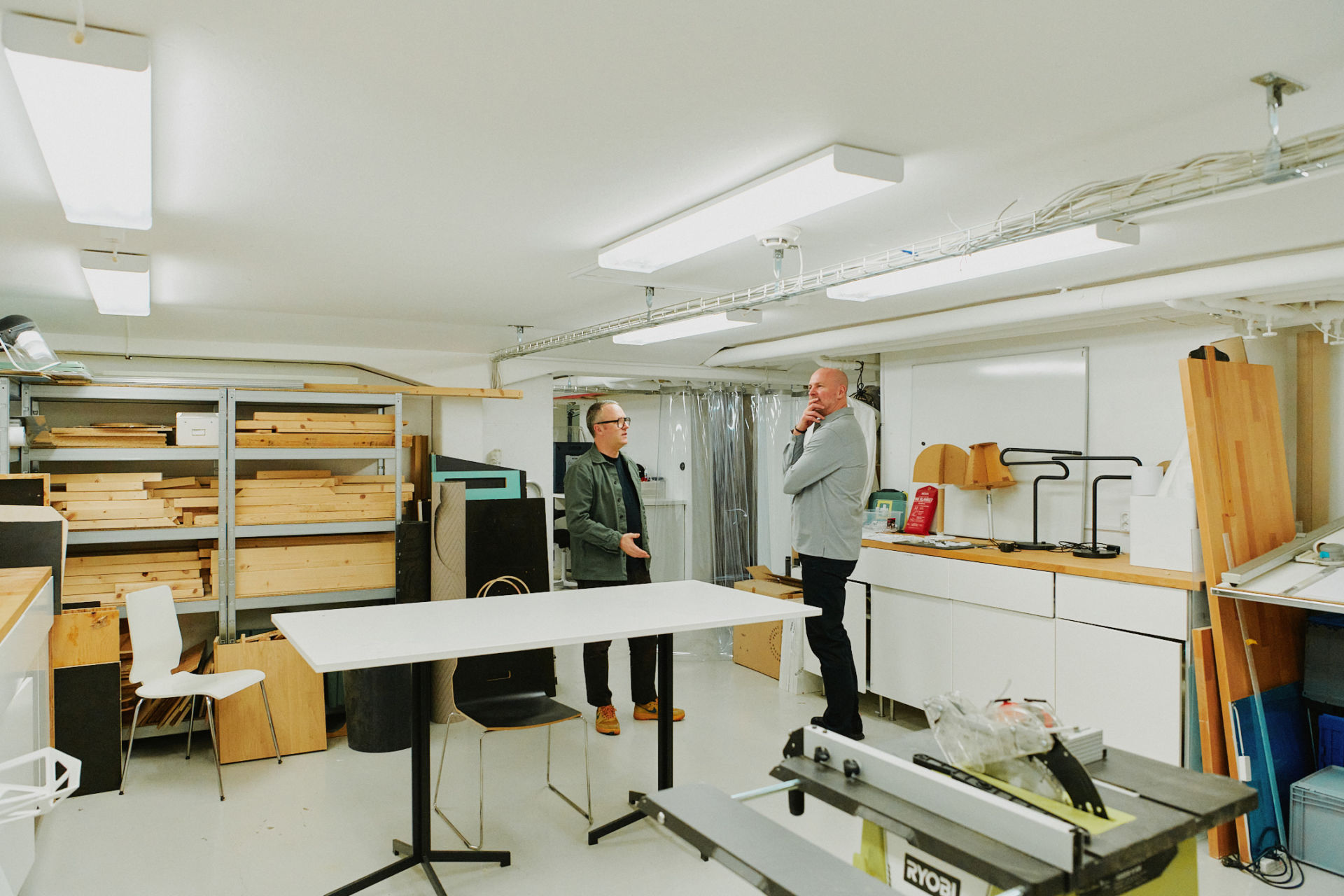
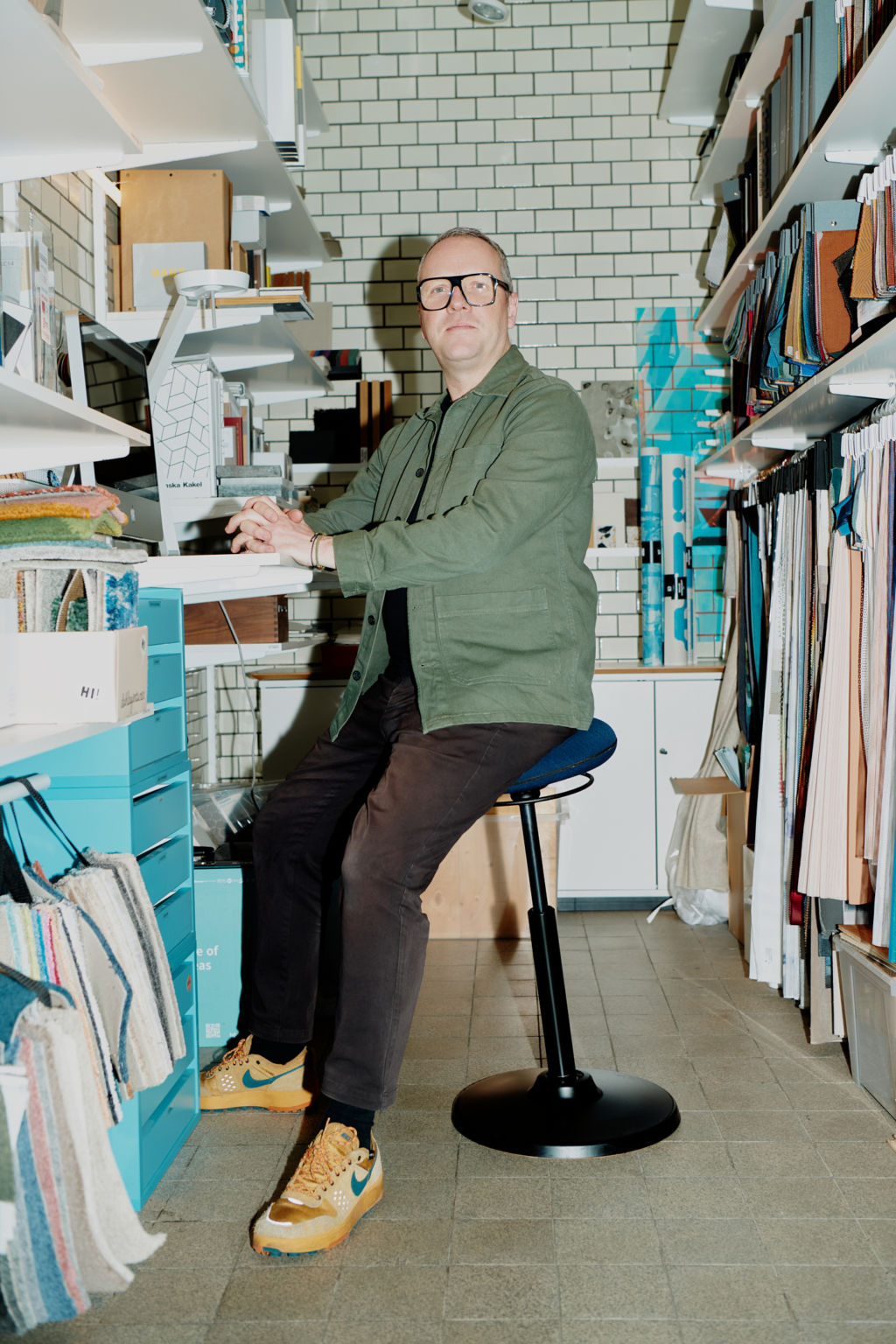
Niklas Madsen, founder of experimental design laboratory SUPERLAB, has an almost eerie knack for seeing what’s coming next. Since the publication of his first book 10 years ago, much of what the industrial designer predicted would happen in the office environment has already come to pass.

But Niklas and his team at the Helsingborg-based studio can’t see into the future. Instead, they combine behavioural research with innovation processes to explore how workplaces, products, and environments might evolve in the years to come.

And the approach seems to work – because more often than not, they’re right.

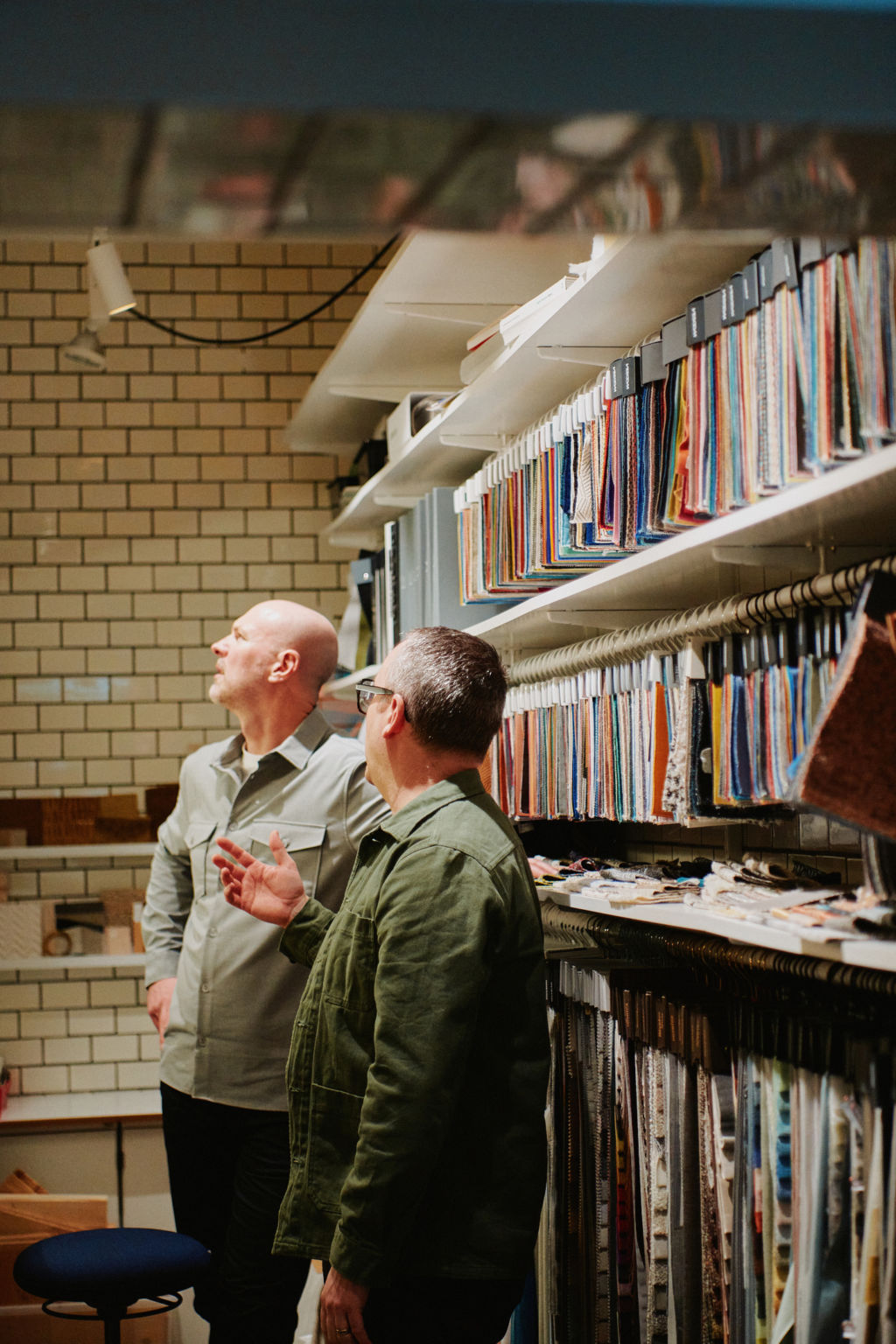
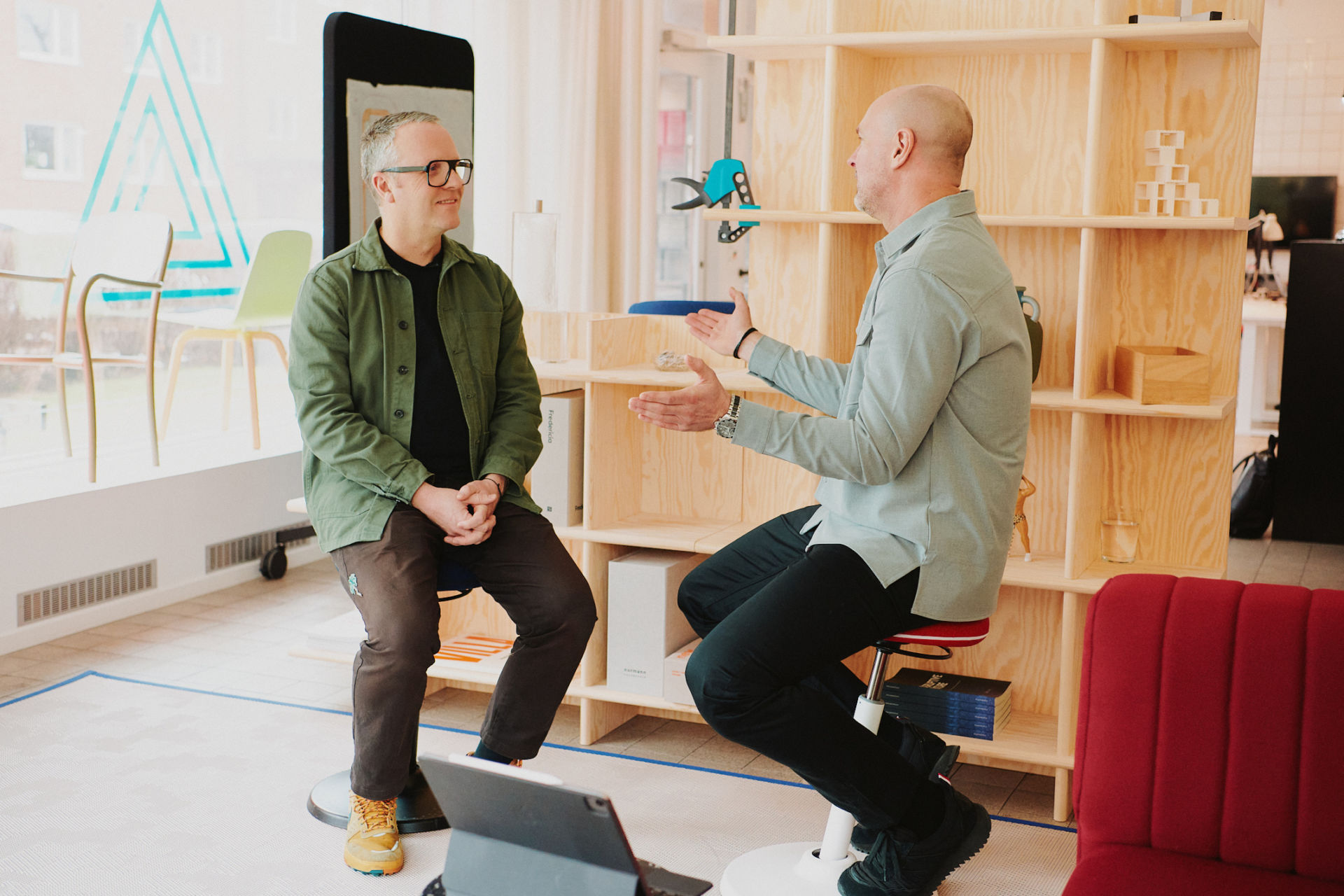
Savo CEO Craig Howarth sat down with Niklas to talk about playfulness in the workplace and why designers will soon need to rethink how products are developed altogether.

C.H. First of all, Niklas, a big thanks for taking the time to meet with us and for welcoming the team here today. Could you briefly introduce SUPERLAB – how it began, evolved, and its core design values now?

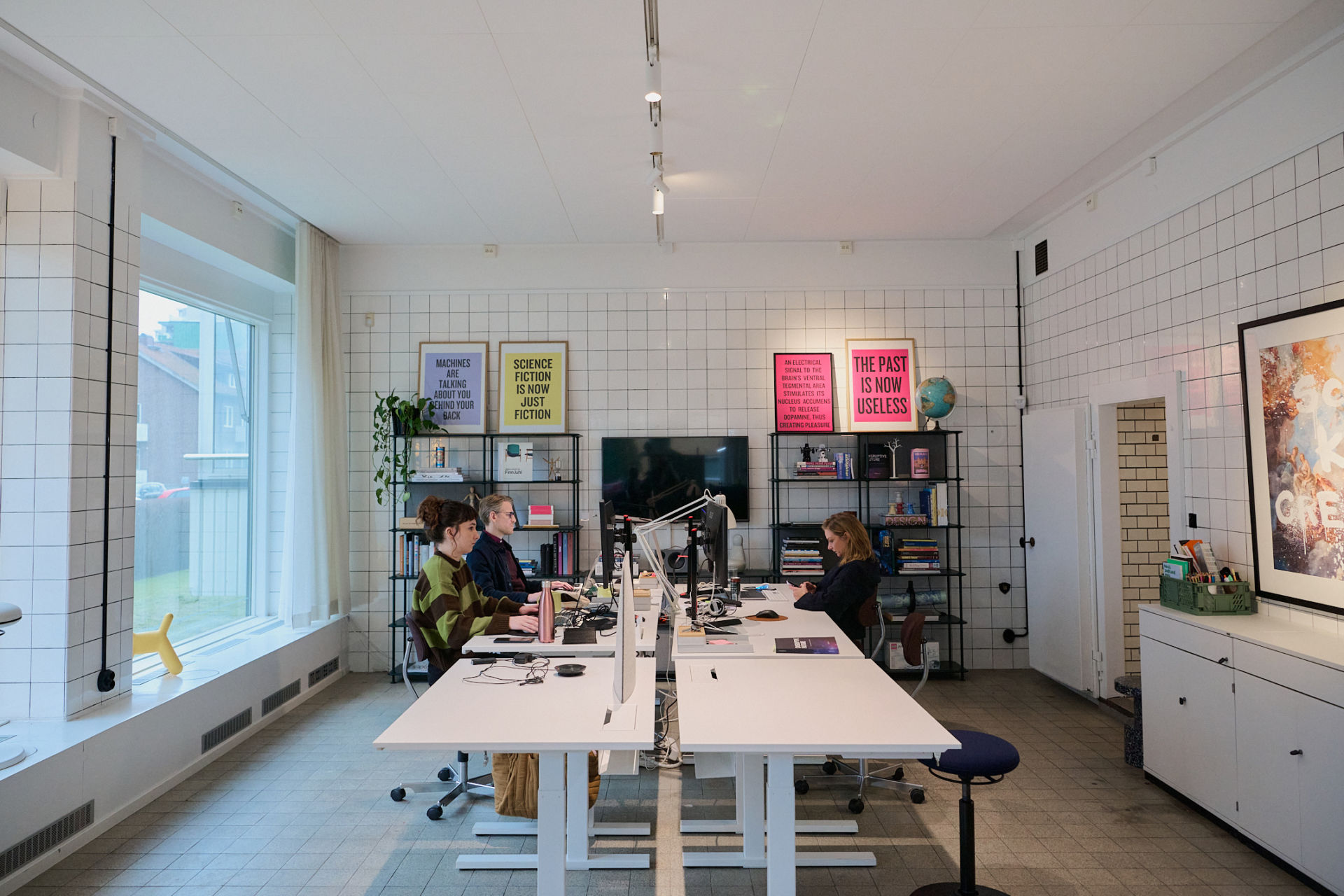
N.M. SUPERLAB started almost 21 years ago as a one-man studio, originally called Mental Design. The name came from an experiment in a Helsingborg co-working space, where we introduced playful elements into meetings to study their impact – something that later became known as SUPERLAB.

My background is in industrial design and innovation, and I wanted to build a studio grounded in research and form. Early on, I applied a product development process to an interior project, which showed me how much deeper design could go when you bring that thinking into it.

When you look at some of your research and publications, you talk a lot about the playful element of work and the connections to behaviour and psychology. How do you bring that sense of play into your own studio?

N.M. I think it’s very much a company culture thing. At the same time, playfulness becomes negative very quickly if it’s forced. It has to lure people in, so they actually want to participate. That mindset becomes contagious in the projects as well. We want to bring some playfulness and happiness to our clients, and also encourage them not to be so serious about everything they do.

Around 2014–15, we had a bunch of clients asking us to create playful conference rooms. Our first question was: Why do you want a playful conference room? Why box playfulness in, when the whole idea of playfulness is to be outside the box?

That question actually led to our first book, The Playful Office, where we explored how playfulness fits into a professional office environment – whether they really align or if they’re too far apart.

C.H. And is there anything in your daily work, from a playful perspective, that you like to embrace?

N.M. Absolutely. Just yesterday, one of our team members came into the office, and before she walked through the door, I shouted, “Let’s applaud her in.” So when she entered, we all started applauding. She stood there a bit confused, like, “What have I done?” Nothing – just welcome to work!

For many years, we also had Nerf blasters (toy guns that shoot foam darts) lying around the studio, and a Nerf gun war could break out at any time during the day. So it’s really about keeping daily life easy and playful.

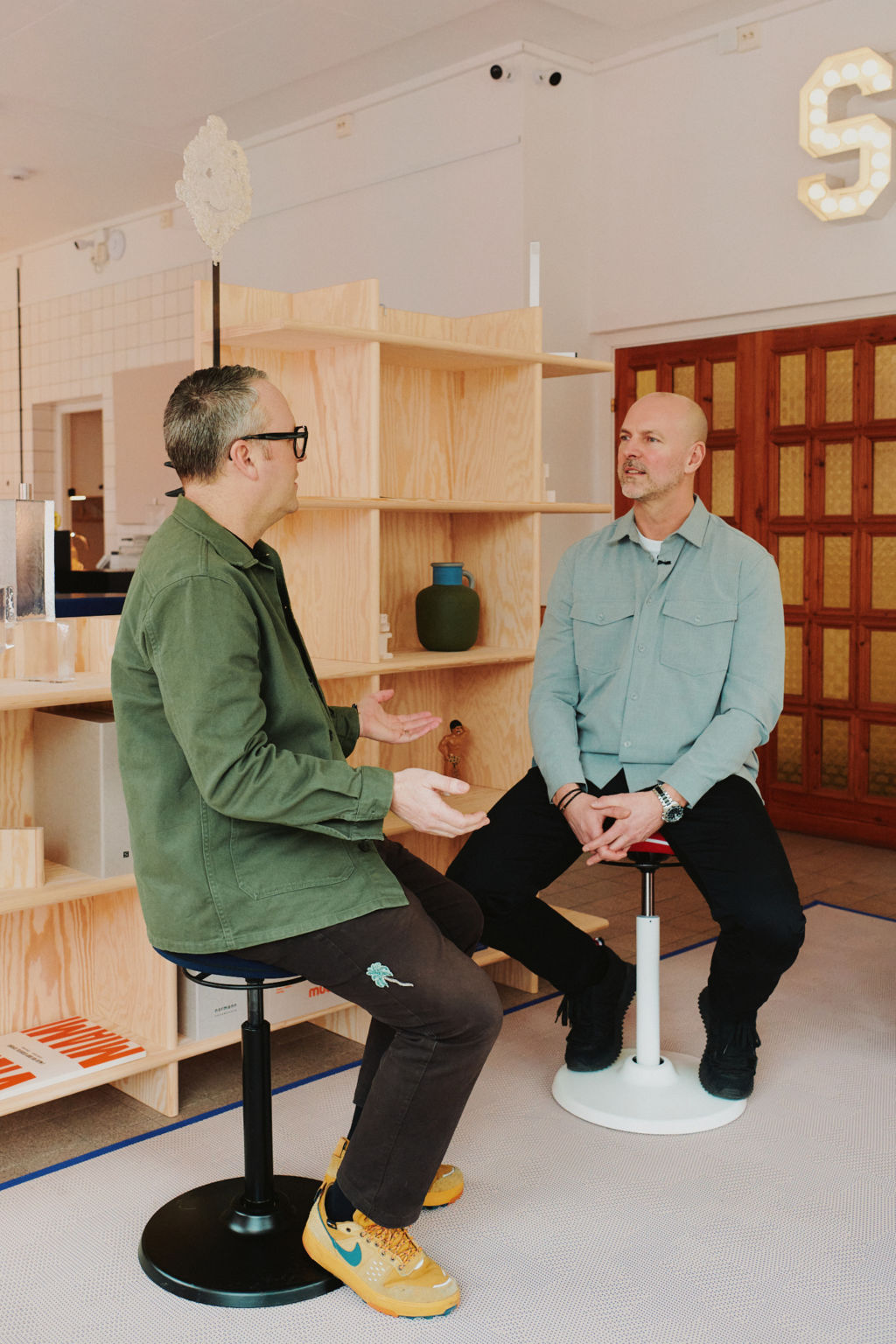
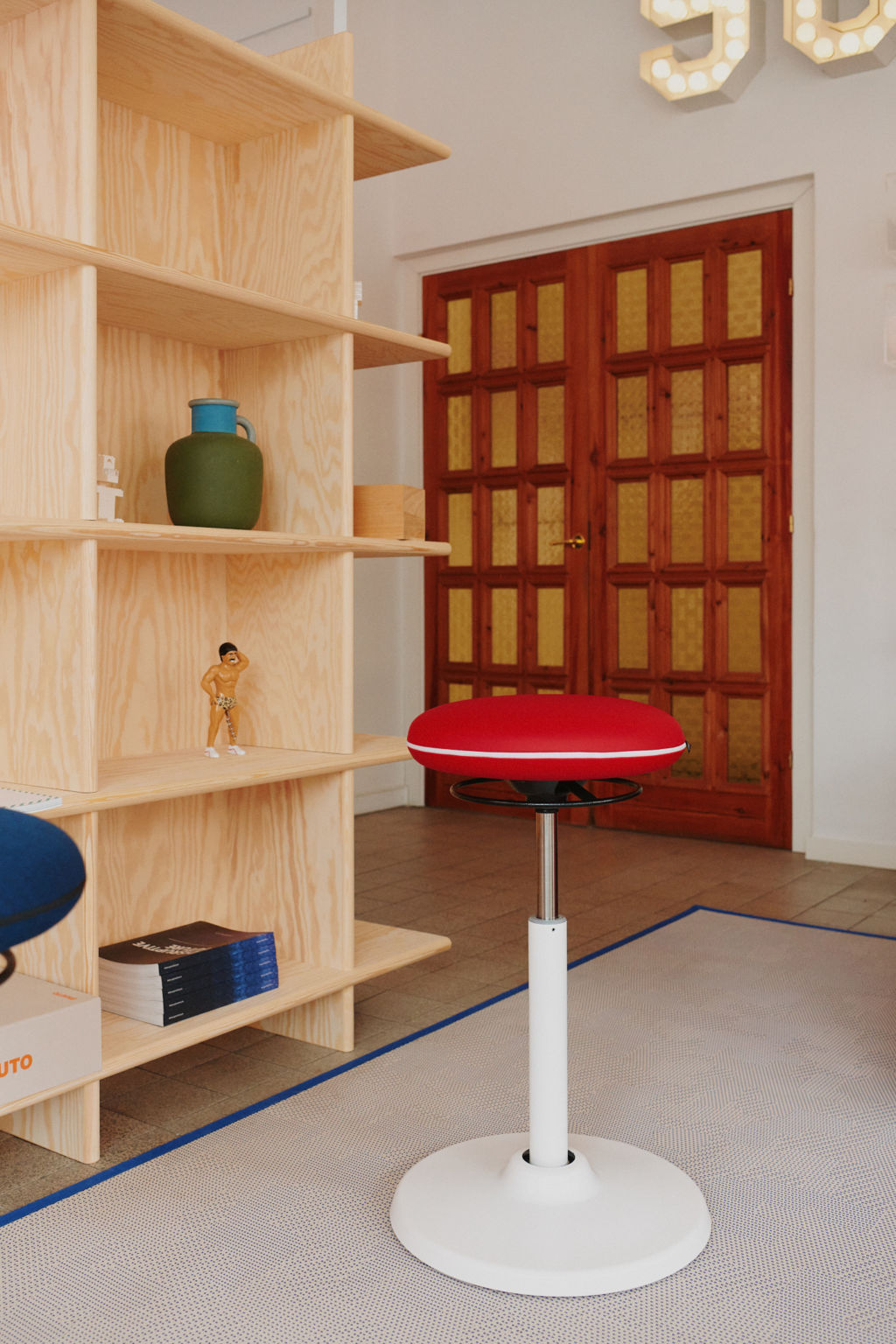
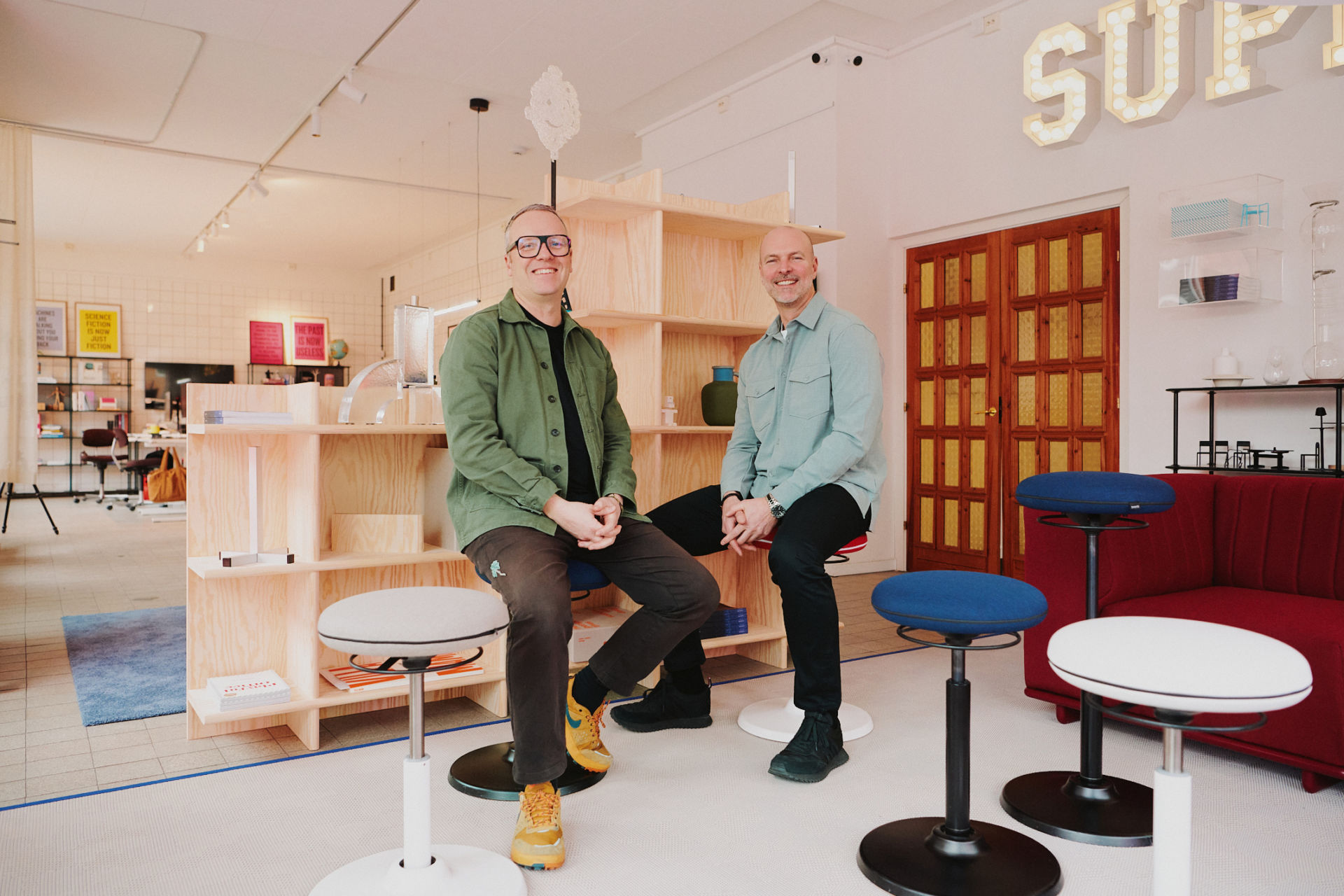
C.H. But doing that also brings energy into the office environment, doesn’t it? And if you look at where we are with Savo – and the product we’re sitting on today, the Savo Joi chair – it’s probably the most playful chair in our collection.

I guess it’s not a coincidence that you have these here in the studio. They work as an alternative to the daily work chair, so beyond the ergonomic element of movement, you also have something that lets you express yourself in a more fun or joyful way.

N.M. Yeah, absolutely. When activity-based workplaces started rolling out across Europe, many companies wanted that setup. But very quickly we realised it’s not one size fits all. Different personalities have different needs to do high-focus work.

As a result, we started looking into neurodiversity more. Some people need a very quiet setup with good acoustics to focus, while others can work very well in a noisier environment.

C.H. For someone like me, who works a lot with workspace seating, it’s interesting to talk to you today, because about ten years ago, you were the one saying we should stop designing comfortable chairs. Instead, make them uncomfortable so people stand up and move. I understand that was a provocative statement at the time…

N.M. It still is!

C.H. And how do you see the other side of that? Because there are two aspects to ergonomics.

N.M. Back in 2016, when we were working on the book, our research into the playful conference room raised a bigger question: how do we actually use the things in our offices?

The traditional task chair was designed for long hours of static sitting. But as millennials entered the workplace, that mindset shifted – people care more about context and flexibility than fixed setups.

Suddenly we had a new way of thinking about ergonomics: not just comfort for long periods, but also encouraging movement. In practice, many chair adjustments aren’t used. So the question becomes: what task are you doing, and how long are you actually sitting?

C.H. And I think that’s also how you see design collections evolving. If you look at the Savo brand over time, it used to be very much about the traditional work chair – the eight-hour-a-day chair. Today, we’re sitting on something that’s more activity-based. And over the past four or five years, we’ve also seen the development of the hybrid chair.

So in many ways, that connects with what you’re describing. Every chair has its function.

When you think about ergonomics – and the intuition of the product, how easy it is to adjust – what is it that you wouldn’t compromise on in a work chair?

N.M. There are a couple of things, both personally and professionally. Of course, a chair needs to be comfortable – no matter what. But the question is, comfortable for how long? One hour, or eight hours? That makes a difference.

As a designer, the aesthetics also matter. You can sit on something very ugly that’s extremely comfortable, but there needs to be a balance between form and function.

Some people need the super ergonomic, perfect setup to focus and relax. Others, like me, don’t really care that much as long as we sit comfortably and can do the work. So it’s about the furniture supporting the job you’re doing – not the opposite.

Then there’s movement. Right here, for example, I can move 360 degrees, move my hips, and feel more alive. Being completely static isn’t the goal anymore. It really depends on what you’re doing and what kind of task you’re working on.

For me, that means I probably need multiple chairs. I haven’t found the one-size-fits-all chair yet – it doesn’t exist. And that’s something we started talking about ten years ago: there isn’t a single office chair that suits all the different tasks we do in today’s workplaces.

C.H. We’ll have to do something about that!

Moving on, I’d like to talk about sustainability. One thing I know you’re very passionate about is digital product passports. It’s a topic gaining momentum and will become increasingly important in the future.

For those who might not know what a digital product passport is, could you explain it in simple terms?

N.M. The simple version is that the European Union introduced the new ESPR law, which sets guidelines for how products should be designed if they are sold in the EU – whether they are manufactured or imported.

The idea behind it is transparency. Consumers should know what they are buying and where the materials come from. The digital product passport is the tool that enables that for physical products.

In practice, it could be something like a QR code that a consumer scans. That takes them to a digital page where they can see information about the product – its components, where the materials come from, how they are sourced, and how the product is assembled. It could also include manuals, instructions, or even 3D files for architects and designers.

Right now, it covers around 11 sectors of the consumer market. The first was EV car batteries, which came into effect on 1st January, 2025. This year, fabrics and clothing are next, and around 2027–28, we expect electronics and furniture to follow.

C.H. At Savo, we’ve already started working with digital product passports. For example, our Savo Soul chair has one, even though it’s not yet a legal requirement.

From a production or design perspective – and you being an industrial designer – how do you think this will change the future of product design?

N.M. First of all, I think the design brief will change. Today, a brief might say: we need a task chair that meets certain requirements and fits within a certain price range. The designer then starts developing the product without necessarily knowing what materials they will work with.

That will need to change. You’ll need to know the materials from the start, a bit like in the car industry, where they work with a library of materials.

Another thing is that switching to new or more sustainable materials can be very expensive and can disrupt the whole manufacturing process. So, from both a design and production perspective, it will require us to rethink how we do things.
C.H. For the consumer, it’s great, because we know what we’re buying. But from a designer and producer perspective, it also pushes us to be more aware and more responsible when it comes to sustainability.

N.M. Your responsibility as a manufacturer also changes. Before, you could manufacture something and let it go. Now you need to own it more or less. You need to take care of the product until it’s disassembled and eventually ends up in a landfill.

Somehow, you need to keep that control – or at least design a way to handle it in the second-hand market and after use.

C.H. And from an ownership perspective, does this also take care of ownership records for products?

N.M. Exactly. As a manufacturer, you become an economic operator, meaning you’re responsible for placing the digital product passport on the product.

But if the product is resold and, for example, reupholstered by someone else, then that company would take responsibility for the new part they’re adding. The regulations aren’t finalised yet, but that’s the direction it seems to be heading.

C.H. So when a product moves into its extended life or second cycle…

N.M. …then you’re no longer responsible for the work done by someone else. There needs to be a split in responsibility. That’s why the digital product passport has to follow the product and be updated over time.

C.H. Super interesting.

C.H. Let’s talk about your first book for a minute. When you read it today, it’s really impressive – and a bit spooky – how much of it has come true. I’d say 90–95 percent of what you talked about is happening now, or is about to happen in the office environment. So, if we

fast-forward from where we are today, what do you see coming next? What do you think the office environment will look like over the next 10 years?

N.M. In our second book, Disruptive Future, we discuss what might happen. We call it “boy guessing” – trying to imagine what might come next. When we started writing it, we had no idea the pandemic would hit and change everything so dramatically. We actually had to rewrite quite a lot once that happened.

But one thing we do see is that the traditional eight-hour task chair will probably shrink as a market. People have become used to working remotely, and when they come into the office, they might sit for 20 minutes before someone else takes the chair. And that person will be a different height, different build, so they’ll need to adjust it again.

So the multi-user chair will definitely take a bigger role in the future. A chair that can work in many contexts – at home, in a shared office, as a hot-desk chair, or a traditional task chair.

I also think it will need to be very simple, made from sustainable materials, and designed so parts can be replaced. You shouldn’t have to replace the whole chair – maybe you just add armrests later, or swap out parts over time. A chair that can evolve and adapt is probably the future task chair we’ll see on the market.

C.H. Agreed.

It’s been super interesting chatting with you, Niklas. Thank you again for your time today and for sharing your thoughts. Maybe if we fast-forward a few years, it would be great to reconnect and see how close we are on some of these topics.

N.M. That would be interesting for sure. Thank you very much.