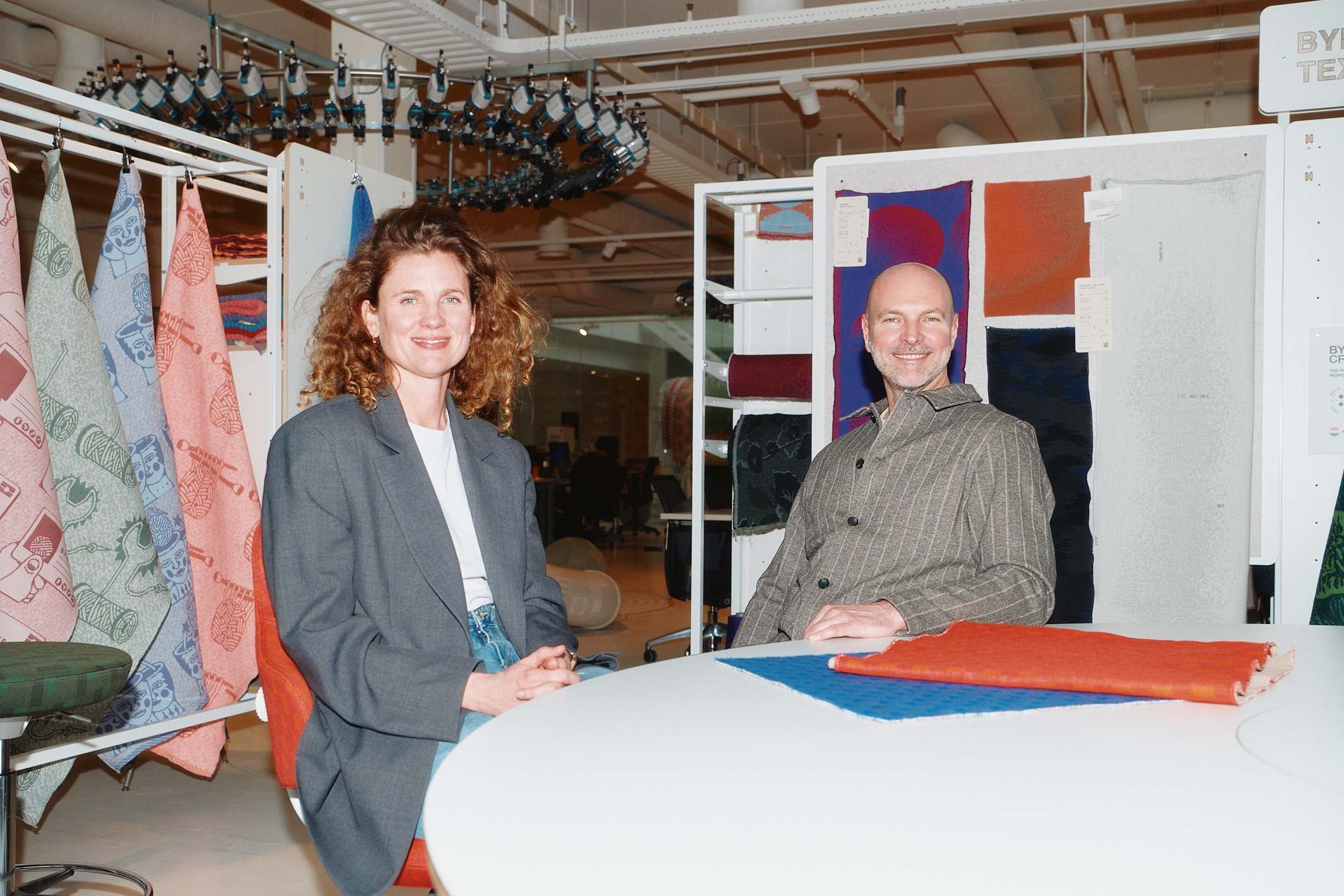
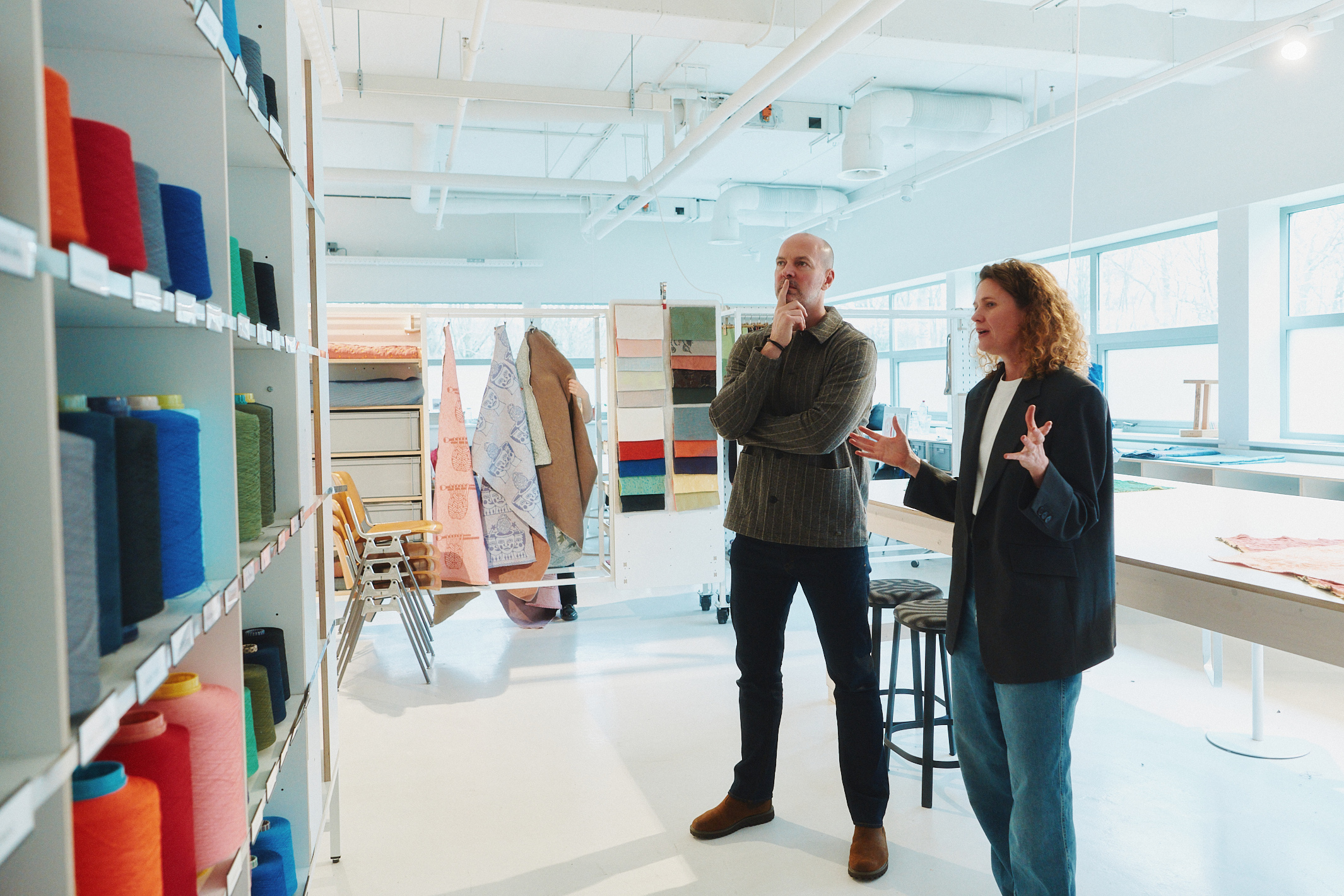
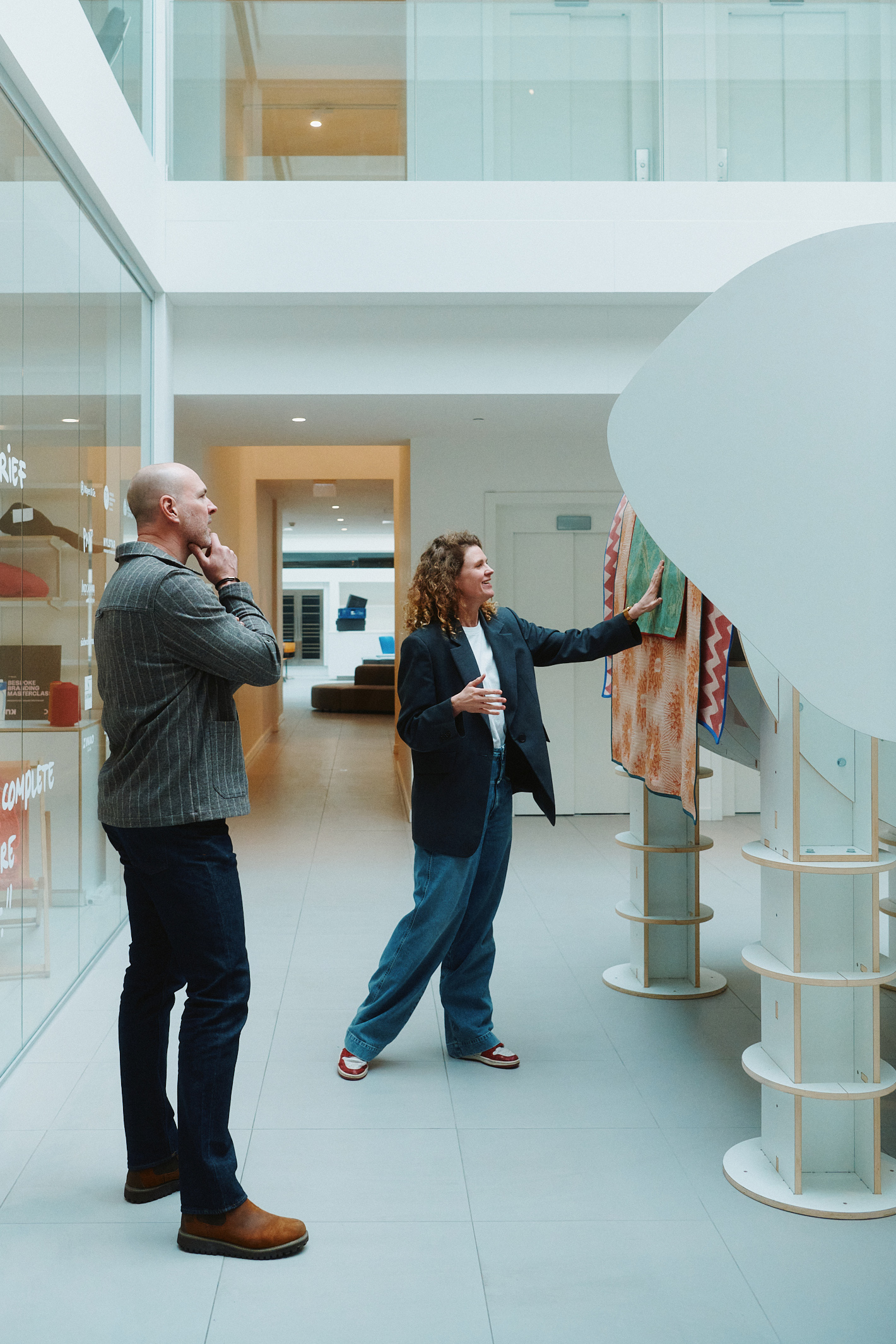
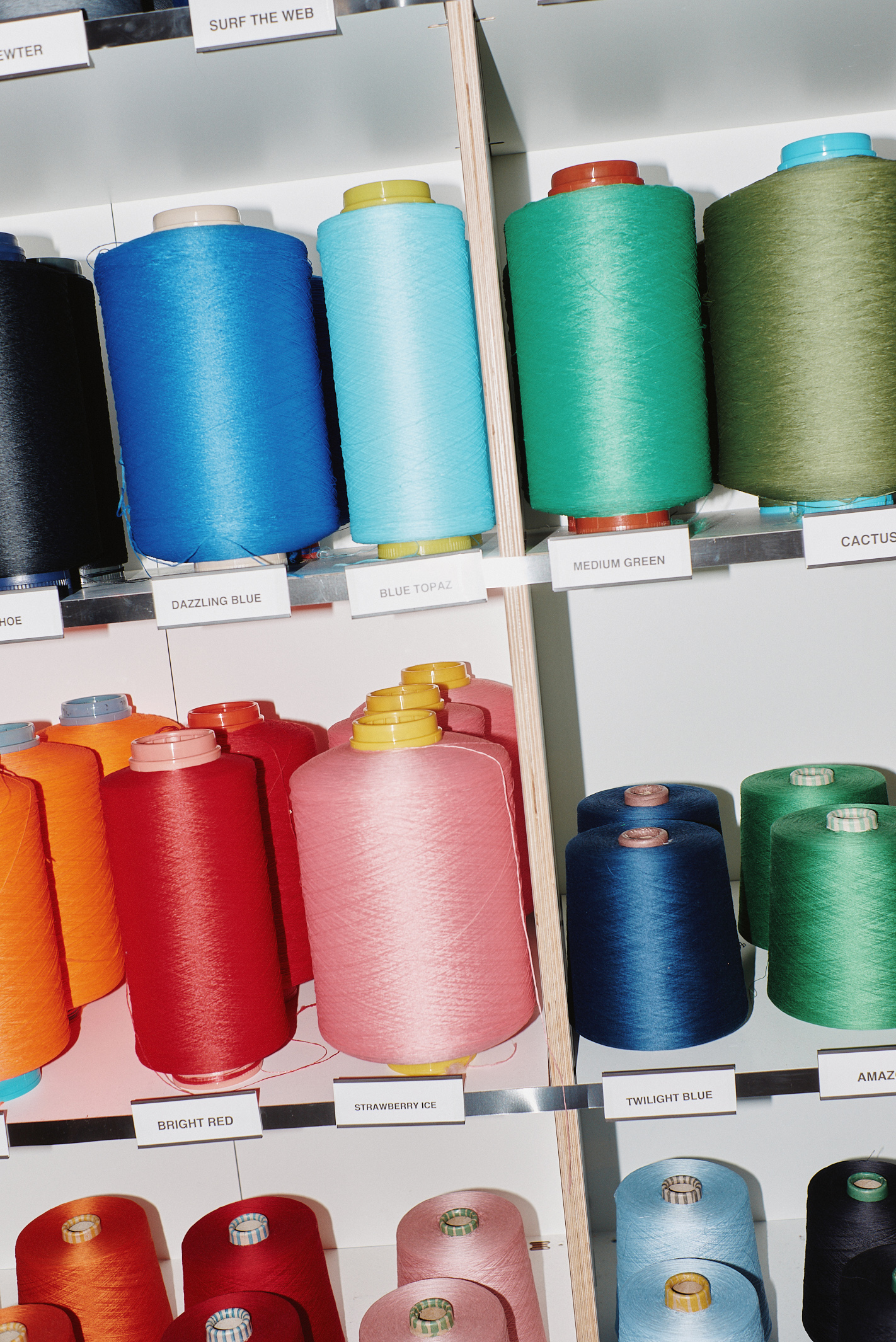
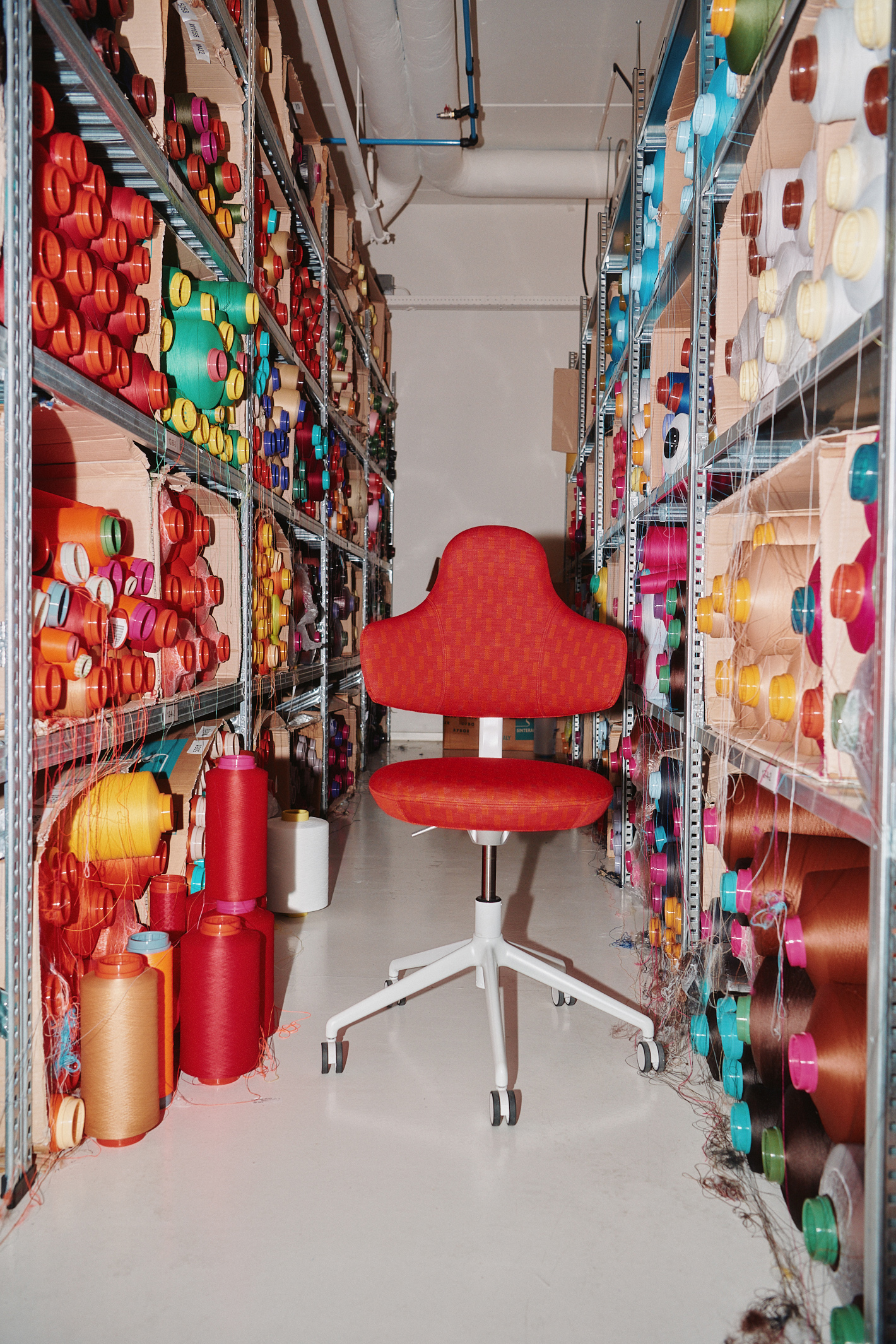
C.H. As you mentioned, a catalyst for this shift was the move to remote work during the COVID-19 pandemic. Now, employers are trying to bring people back to the office for the right reasons – collaboration, connection, and so on. But for that to happen, the office has to be attractive.
If we think about the workspace as it is today, and look a bit further into the future from an innovation perspective, what do you foresee?
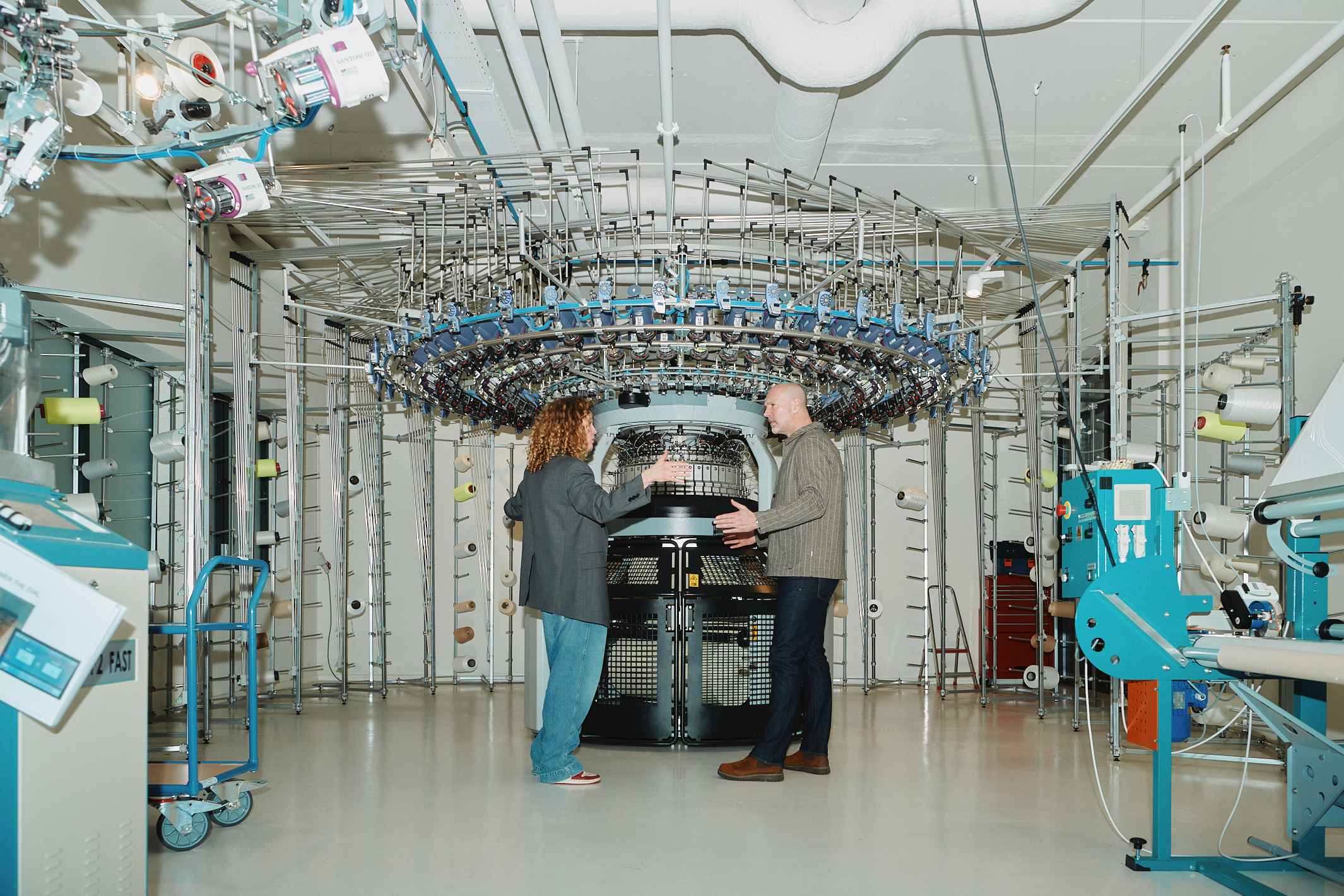
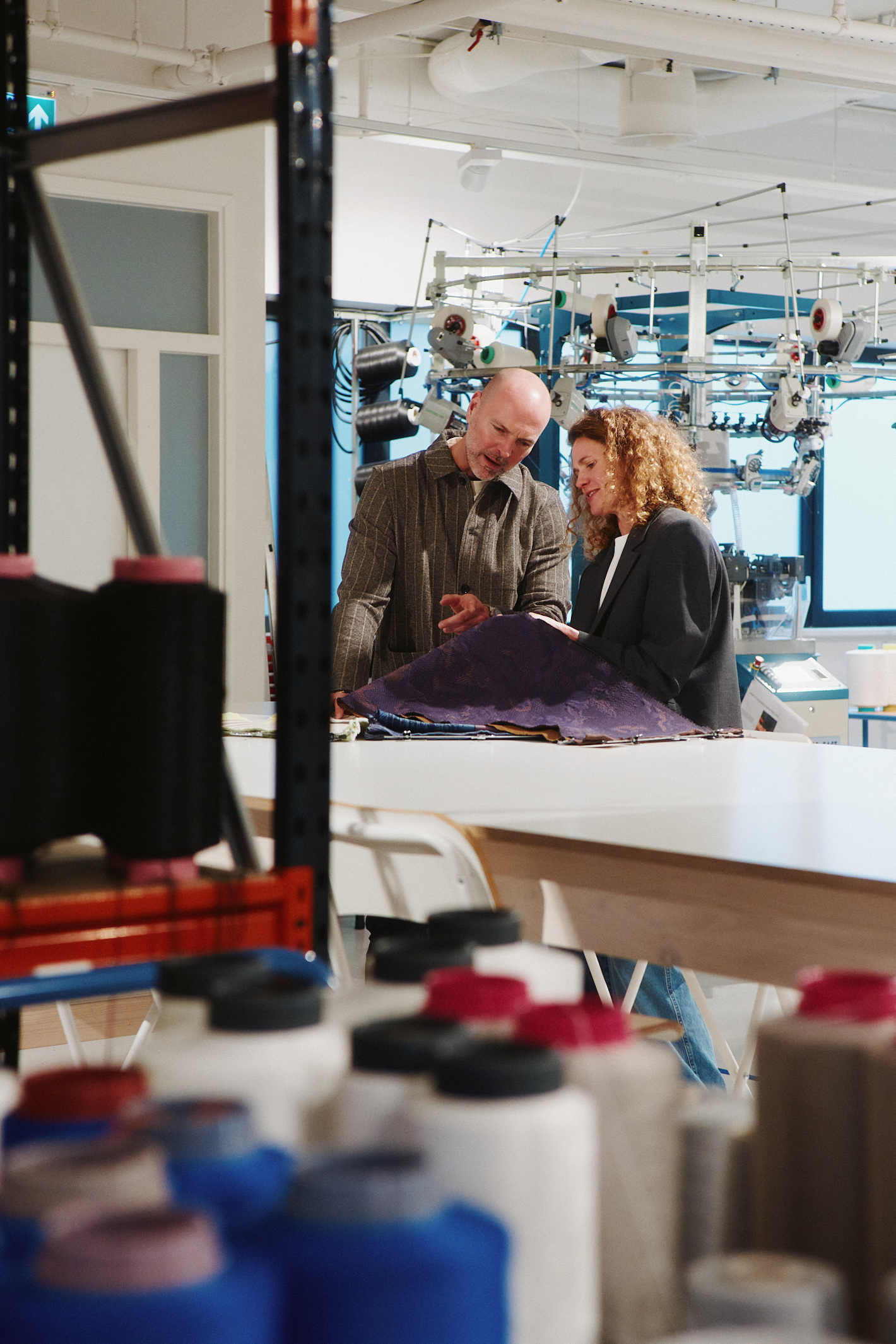
M.vB. What’s interesting is that we come from the fashion world, where there’s a lot of experience with knitted textiles. Knit is quite different from woven textiles, and in interiors it’s still a niche, with a lot of untapped potential – but it’s growing.
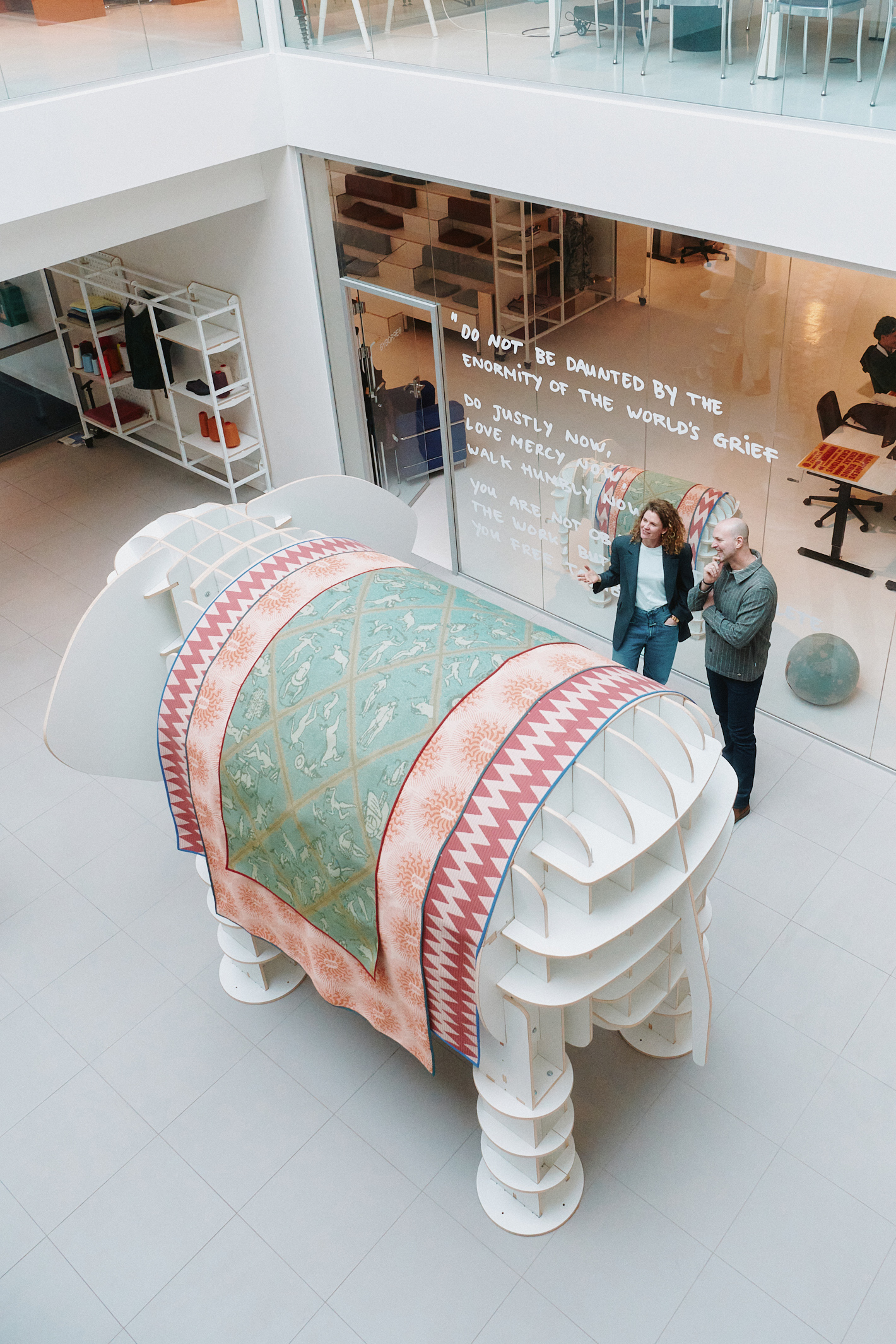
That’s exciting, because you can do so much more with knitted textiles. From a colour perspective, you can create much more depth, and aesthetically, you can achieve a wider variety of designs than with woven textiles. Knit also has natural stretch, so it wraps beautifully around shapes.
C.H. Coming into the interiors world as one of the newer players, is there anything you feel the industry is overlooking when it comes to textiles?
M.vB. I think there are many opportunities, and the interiors and workspace industries are gradually starting to recognise the characteristics of knitted textiles.
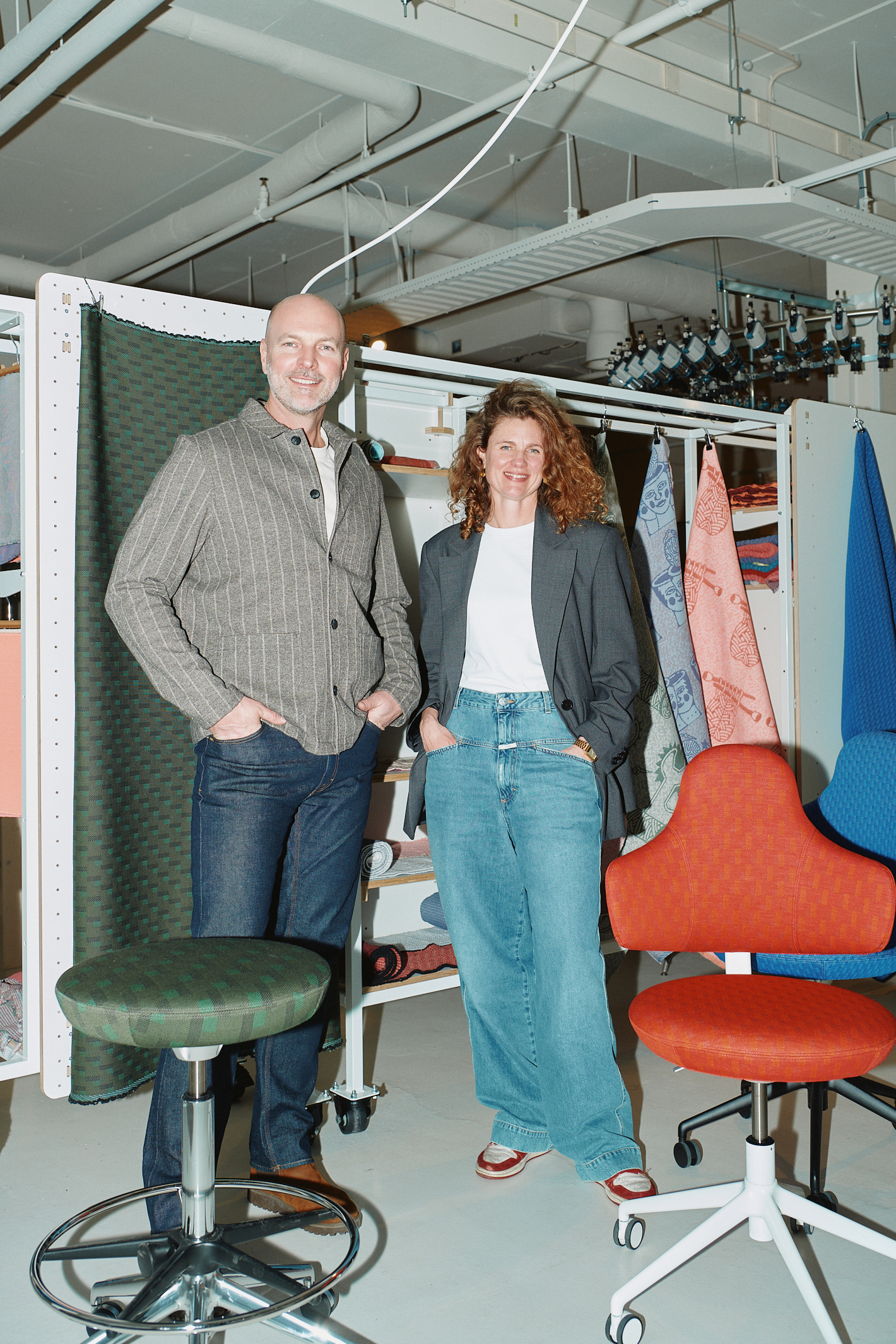
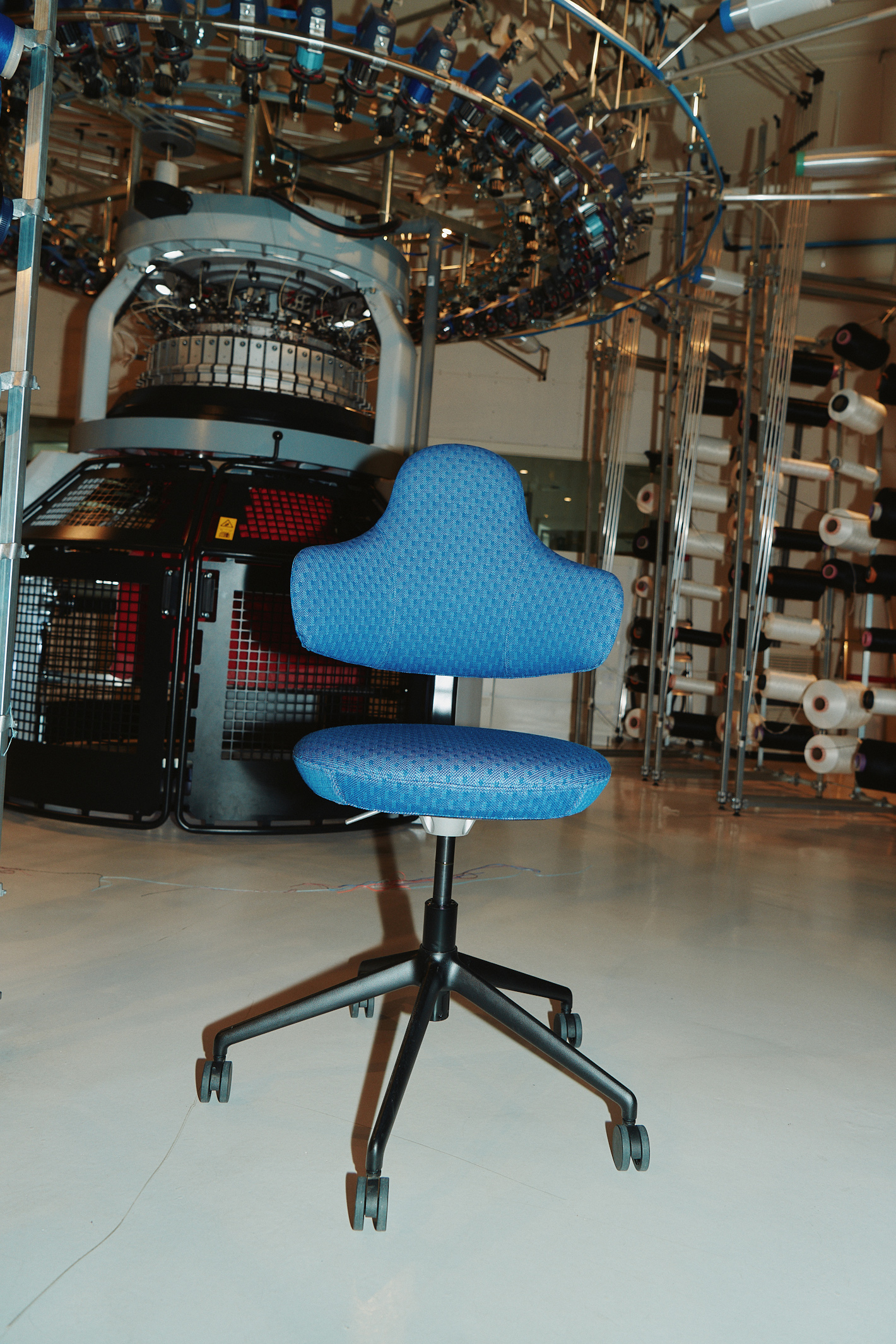
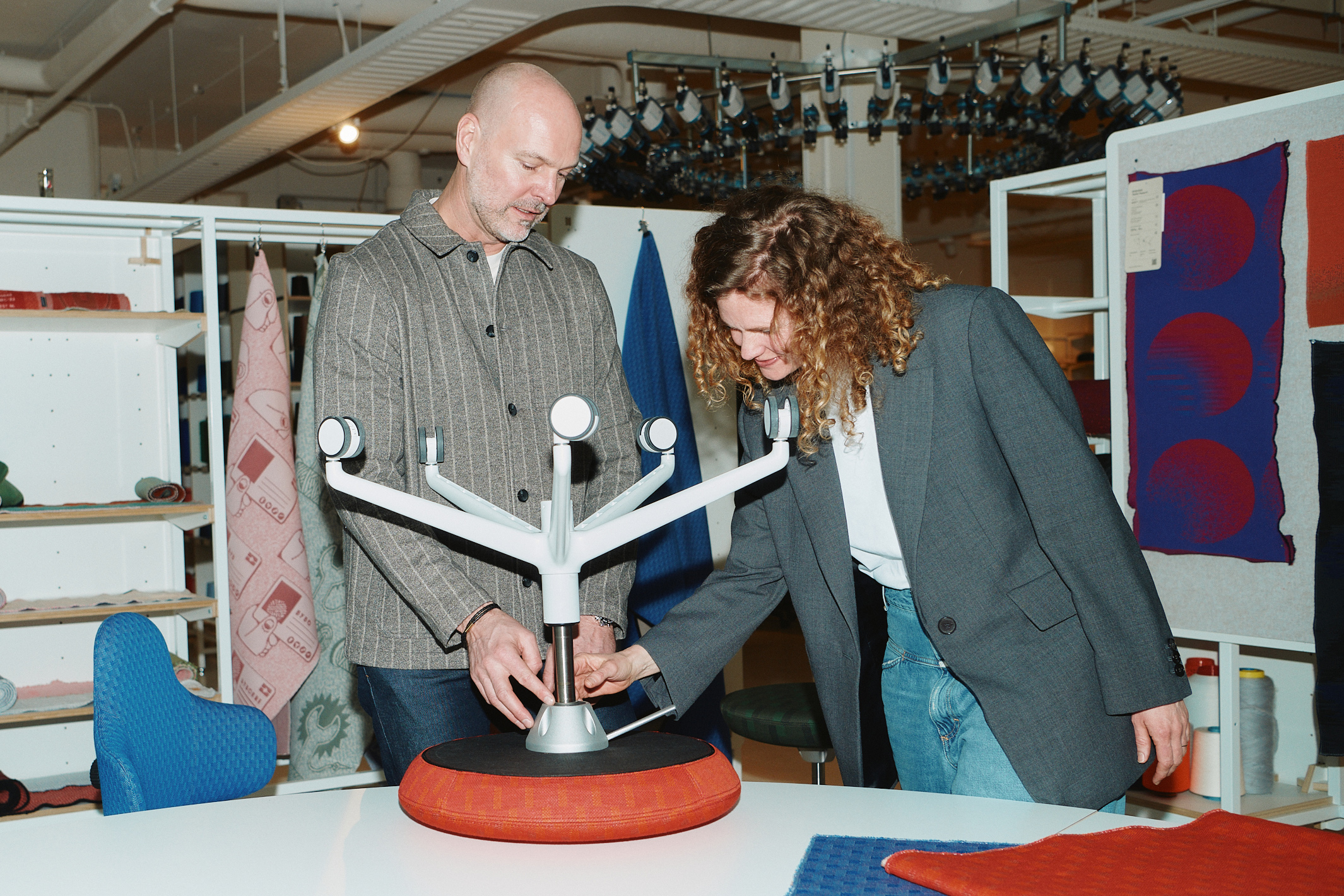
As I mentioned earlier, textiles are often treated as an afterthought. The space is designed first, and only at the end do people think about adding textiles. But textiles can play a much bigger role in the architecture itself – especially when you consider acoustic applications, since knitted textiles have strong sound-absorbing qualities, or furniture, like with the Savo chairs.
When textiles are considered earlier in the process, they can really shape the outcome. It also changes the decision-making process, because you have time to plan properly, order in time, and produce on demand, which helps reduce waste.