Story

Savo Sitdowns: Power to the people with Shawn Adams

Savo Sitdowns is an interview series exploring collaborations in ergonomics, design, and workspace seating, bringing together voices from across the industry to consider how the places and products we work with are evolving.

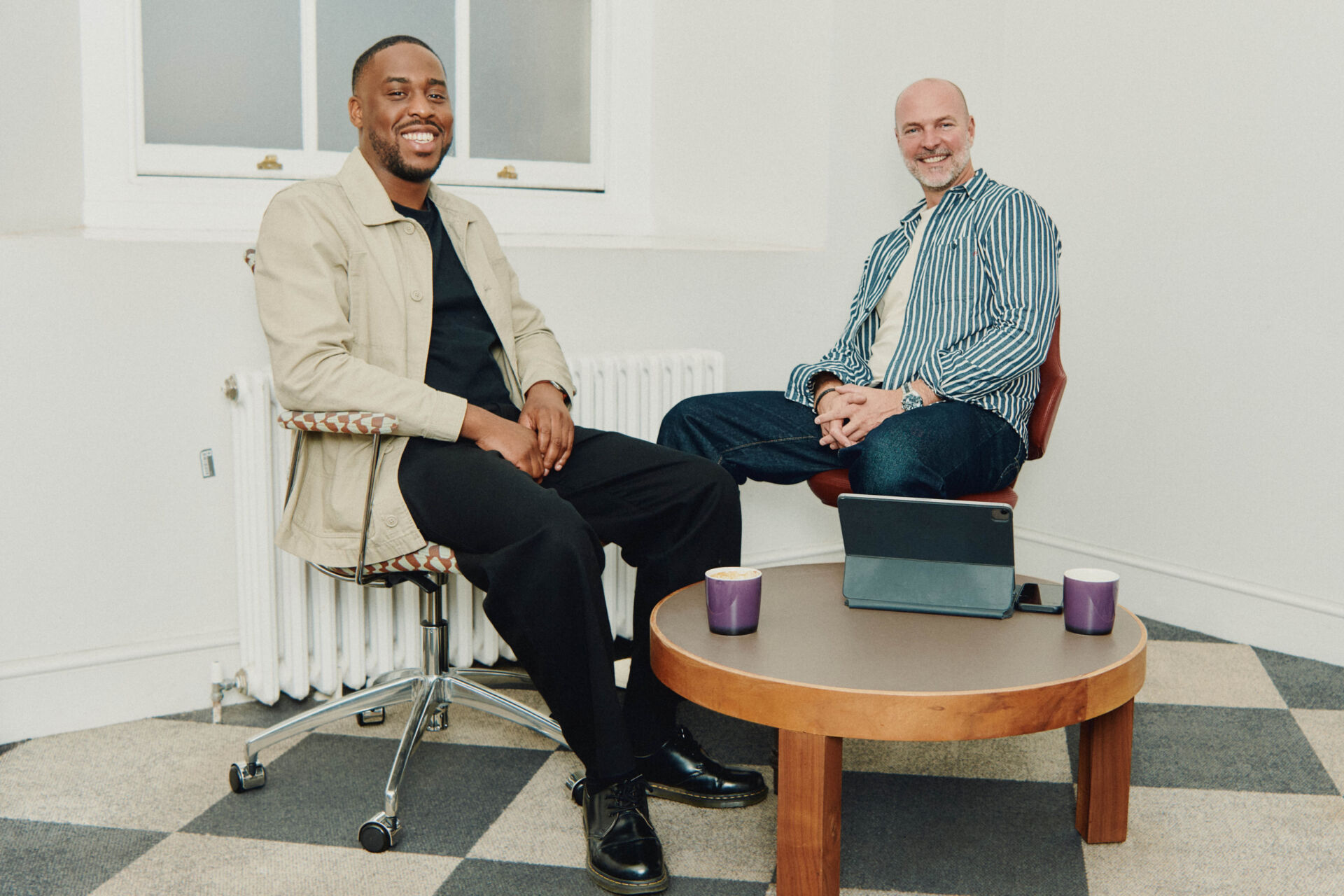
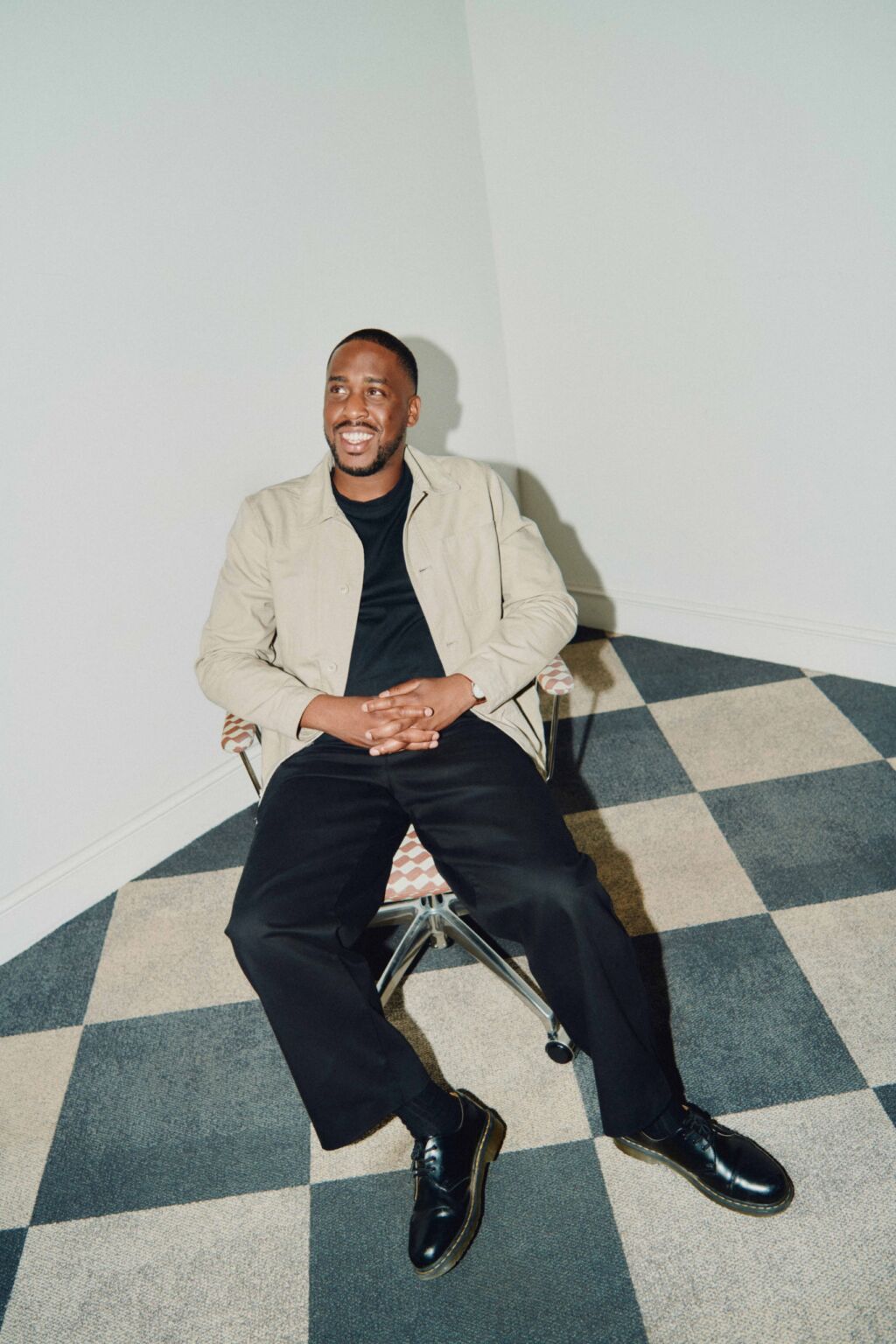
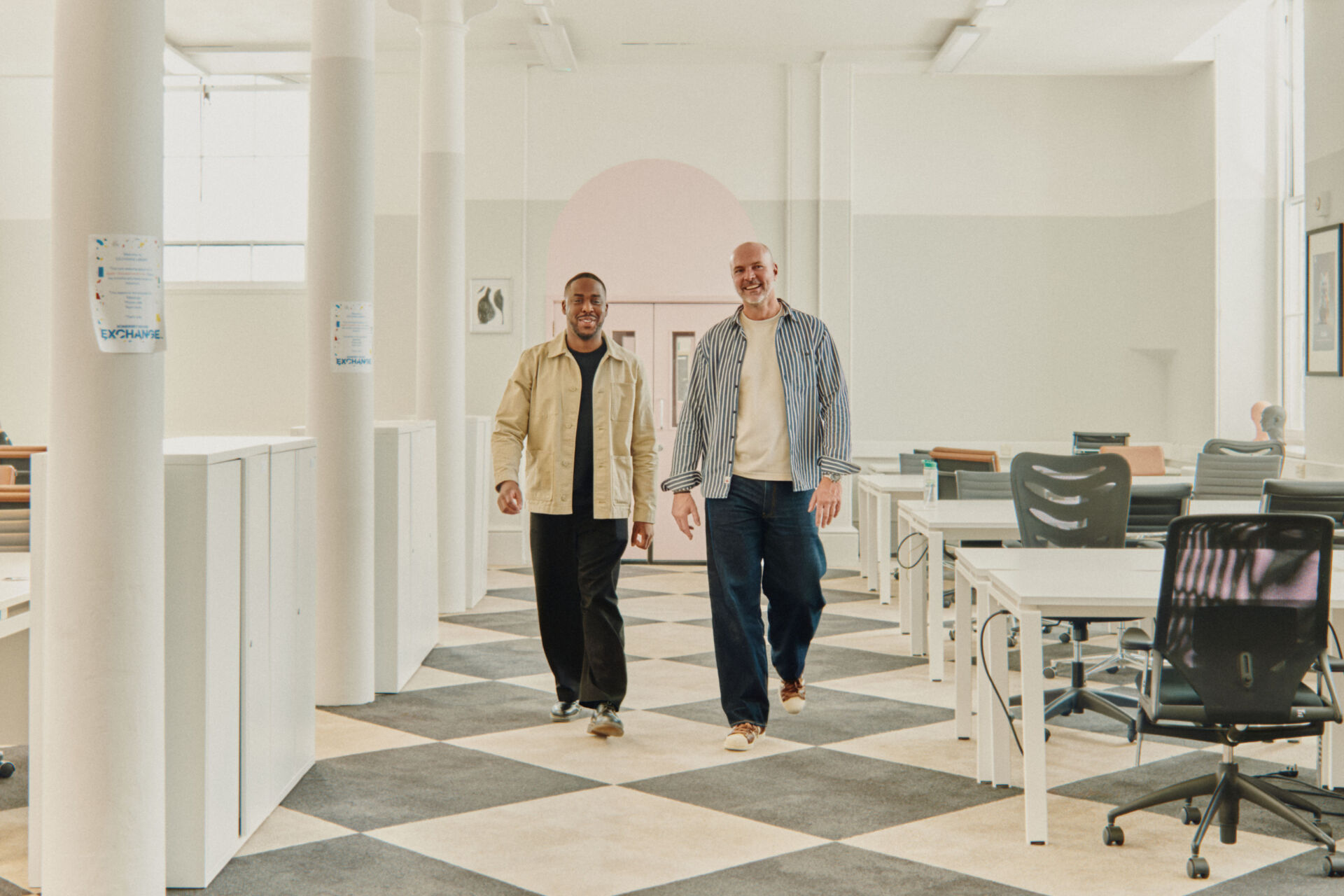
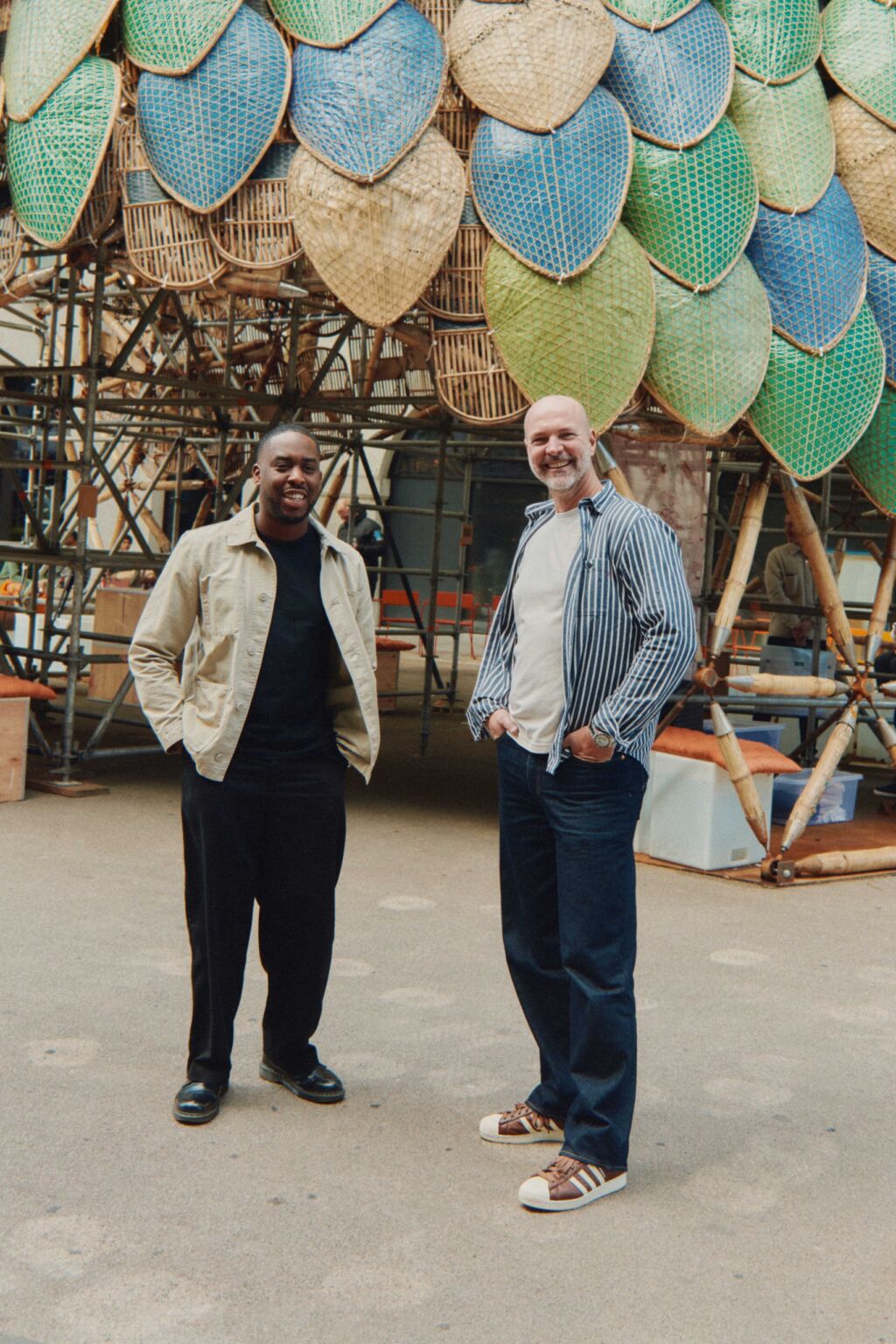
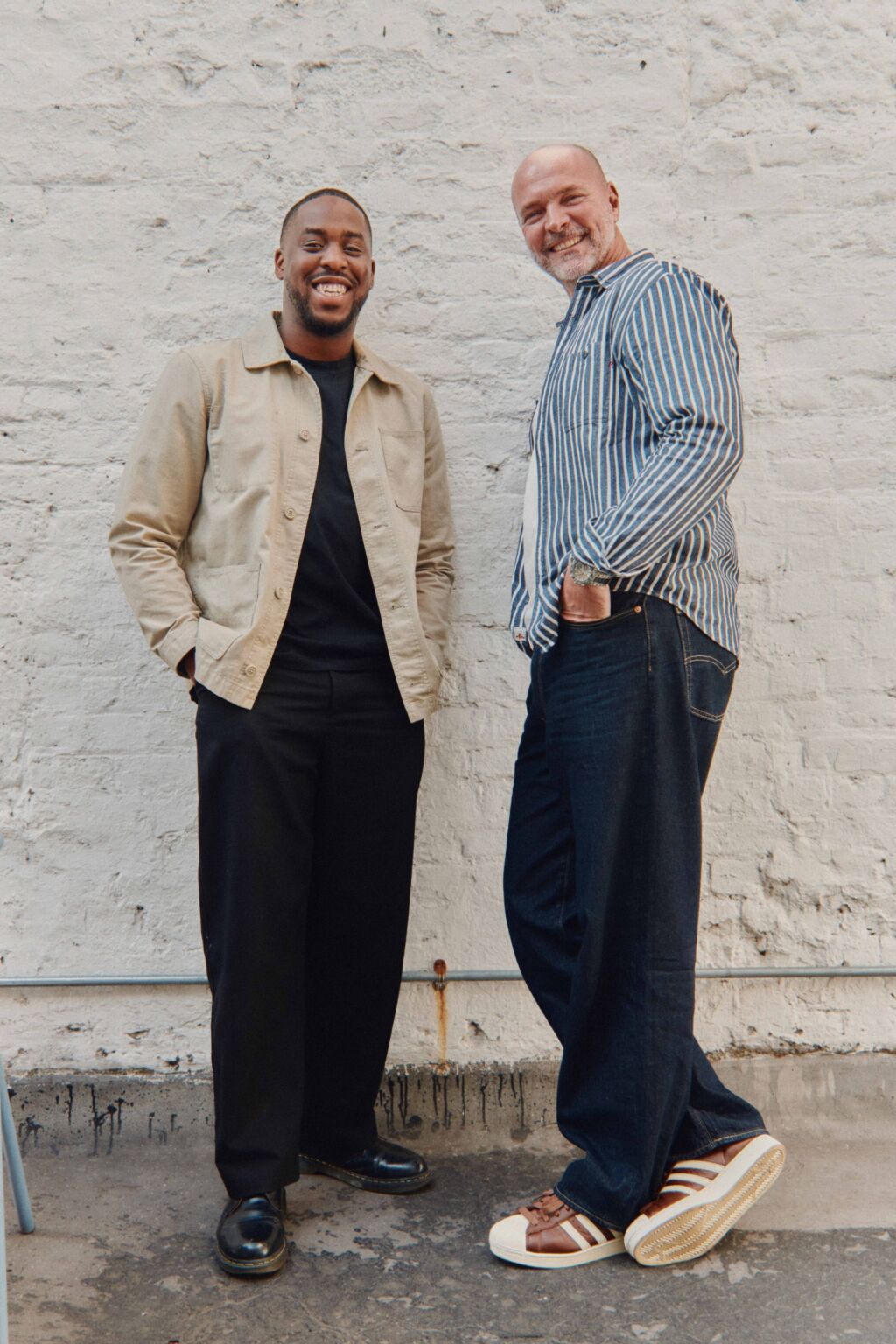
In this edition, Savo CEO Craig Howarth sits down with architect, writer, and lecturer Shawn Adams. A South Londoner born and bred, Shawn wasn’t your conventional architecture student – and it’s that lived experience that shapes his approach today.

Shawn Outreach Lead at HTA Design and co-founder of POoR Collective, Shawn’s multidisciplinary work spans architecture, education, and community engagement. From reimagining Savo Invite chair for 3daysofdesign to creating opportunities for young people, his work is steered by the belief that design is more interesting when more people have a say in it.

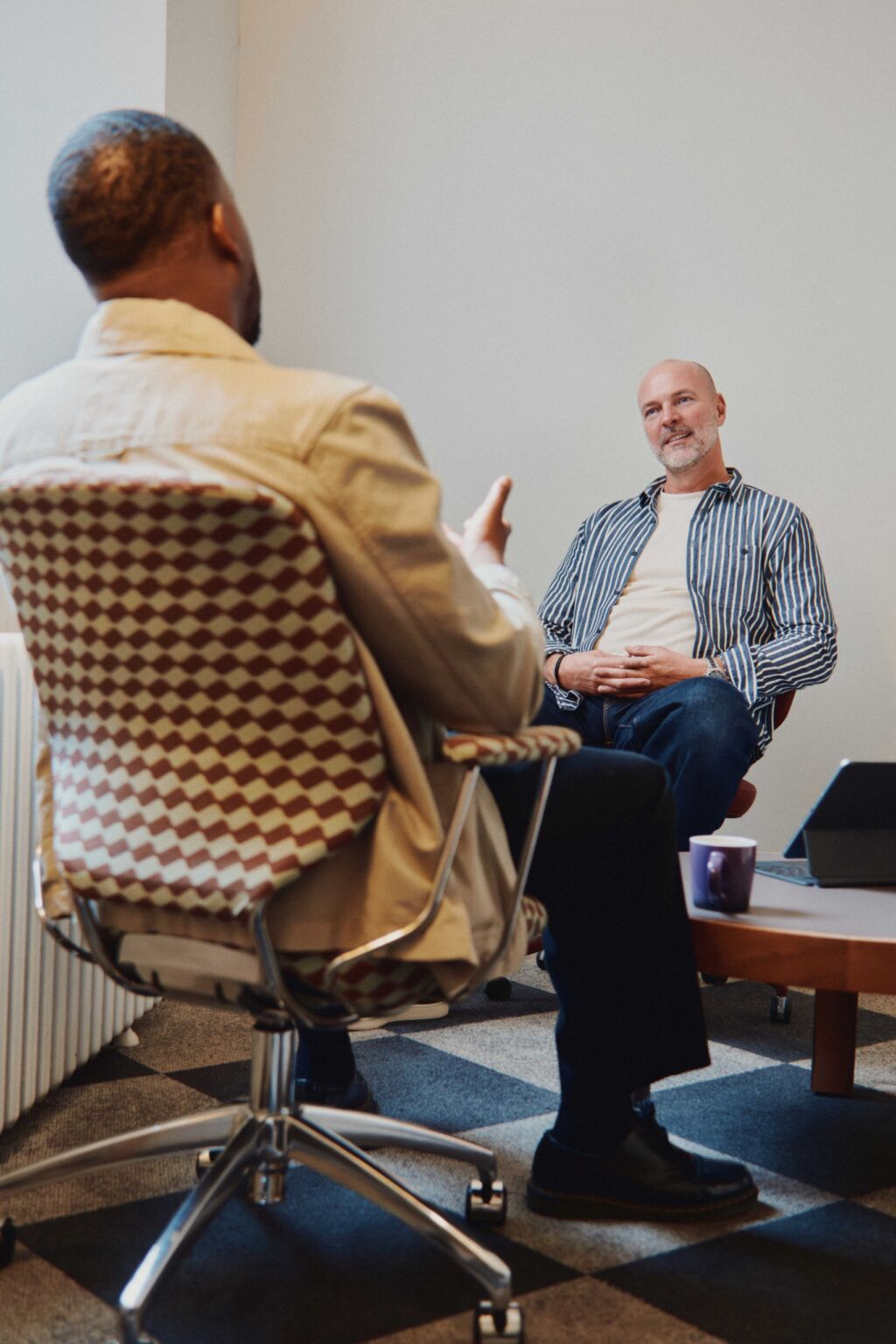
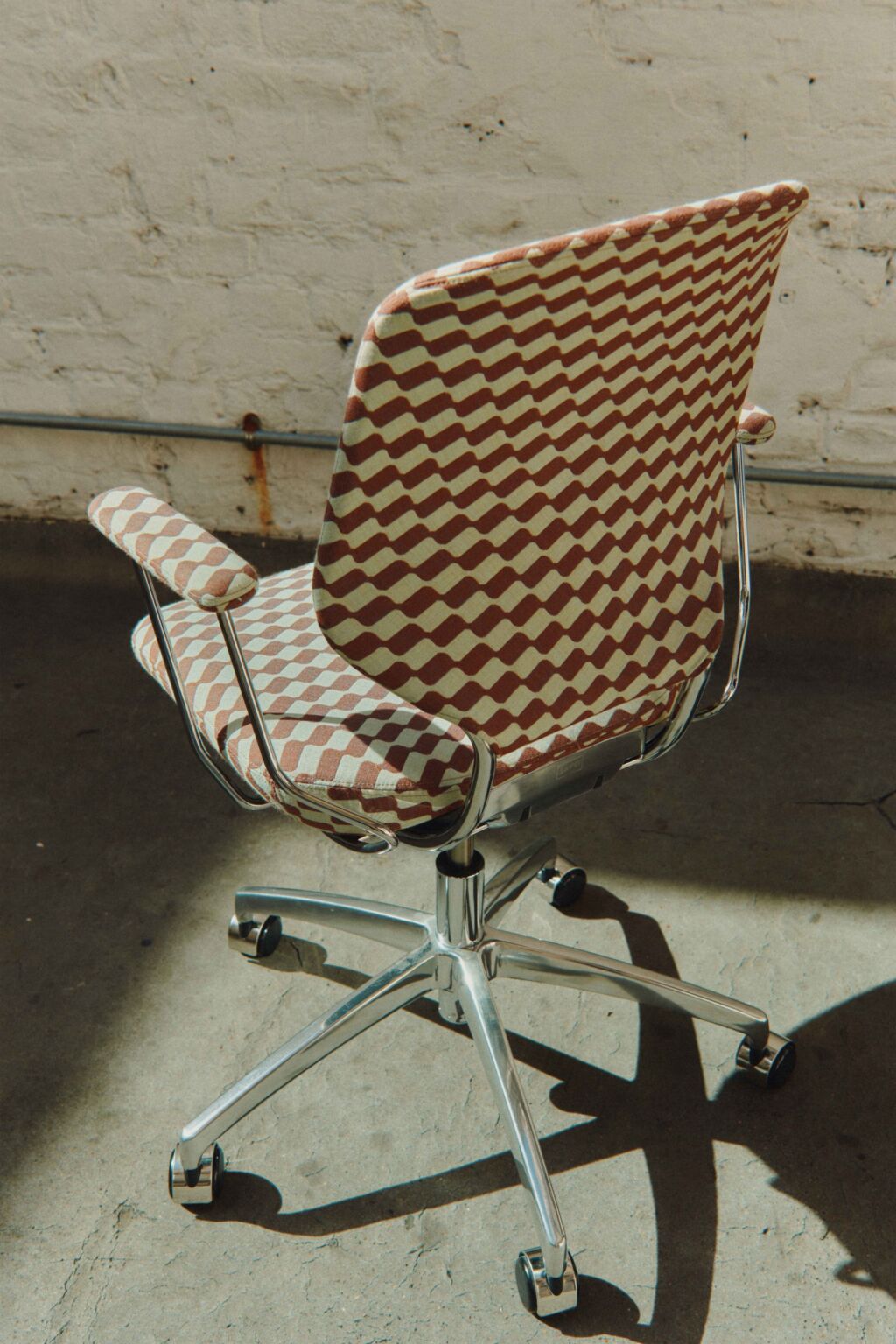
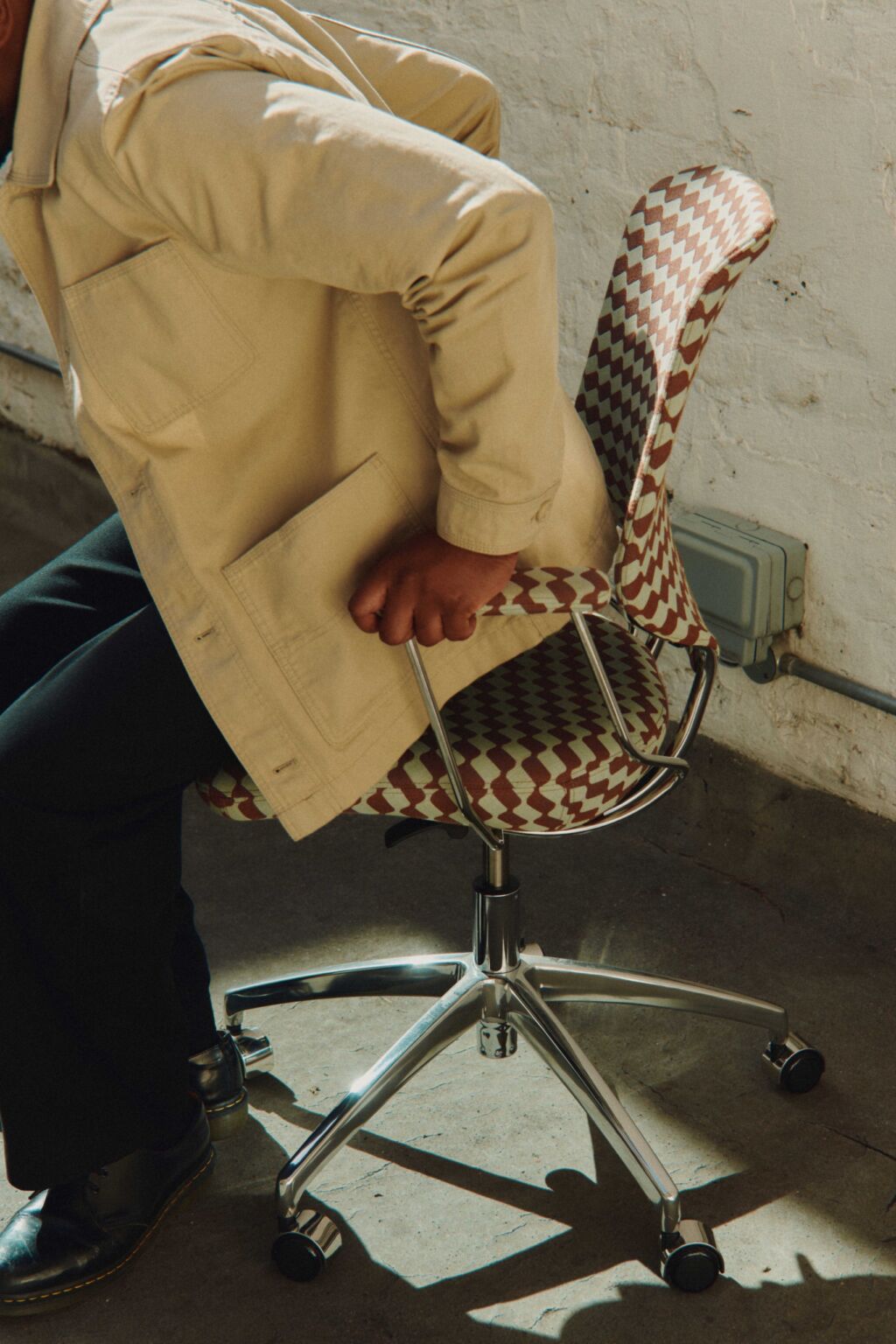
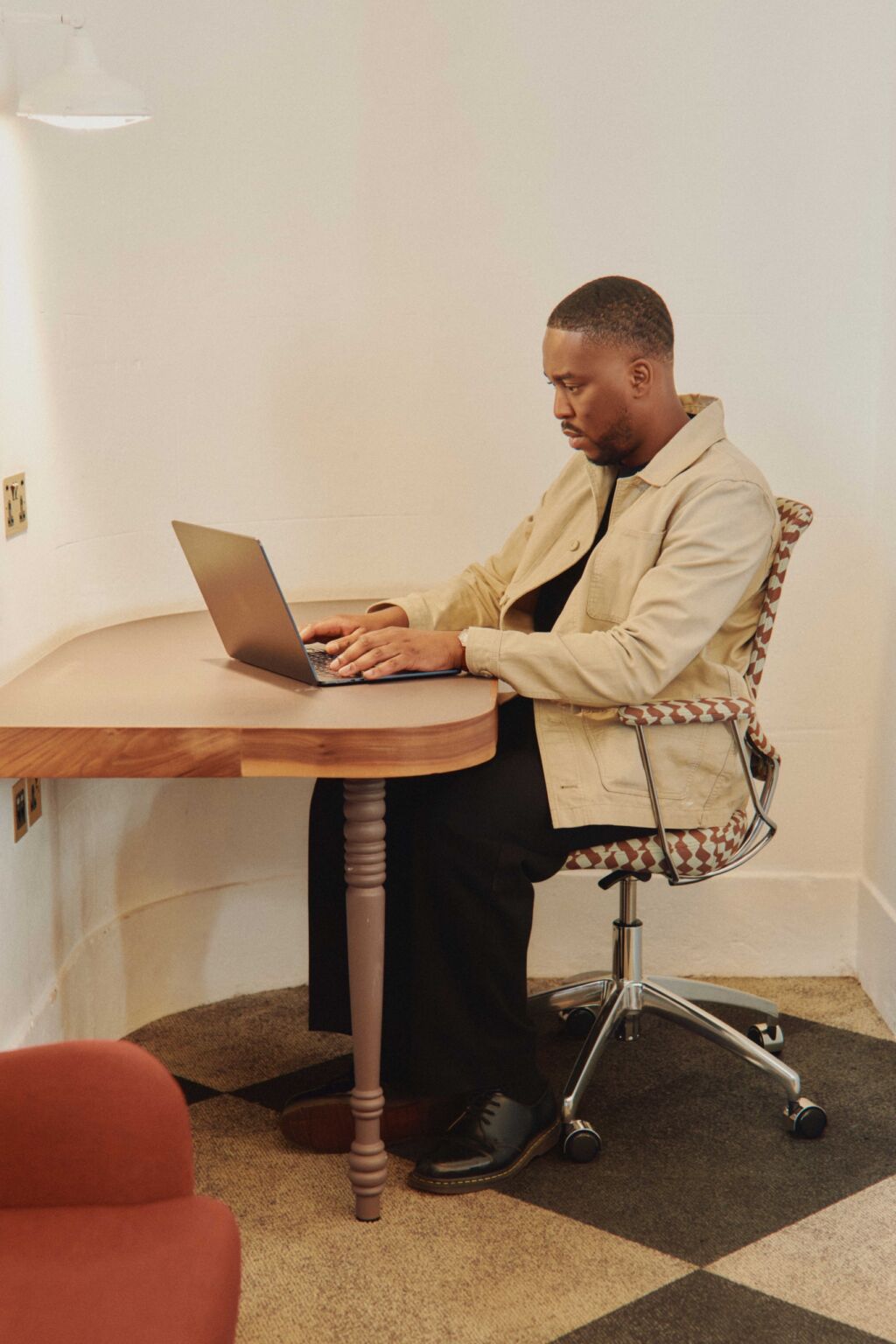
Craig Howarth: Our paths first crossed at 3daysofdesign, where Savo invited you to choose one of its products and interpret it in your own way. You chose the Savo Invite chair – the one you’re sitting in today. Before then, had you thought much about office or workspace seating?

Shawn Adams: Because I write about architecture and design, and I’m an architect, I’ve always found office chair design quite interesting. I used to write a lot about office spatial design – layouts, co-working, the office after the pandemic, how people use the office.
For me, it was always interesting seeing homogeneous chairs in an office space. Why couldn’t the chairs tell a story or be a bit more interesting?

When you think about a sofa or a chair in your living room or dining room, you want it to be a statement piece. But office chairs aren’t necessarily statements. Why can’t the everyday office chair be something that people look at and think, “Oh, that looks nice”?

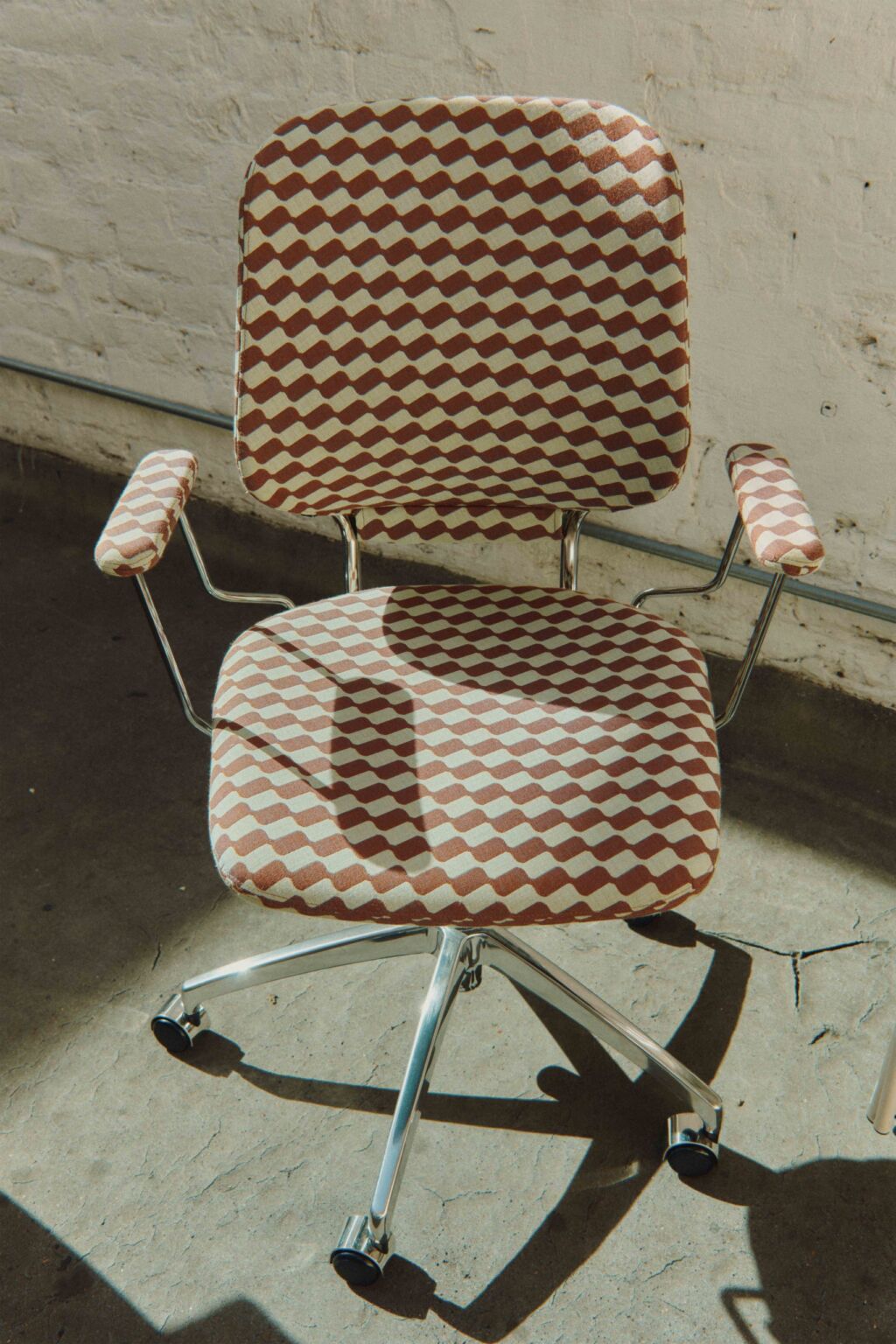
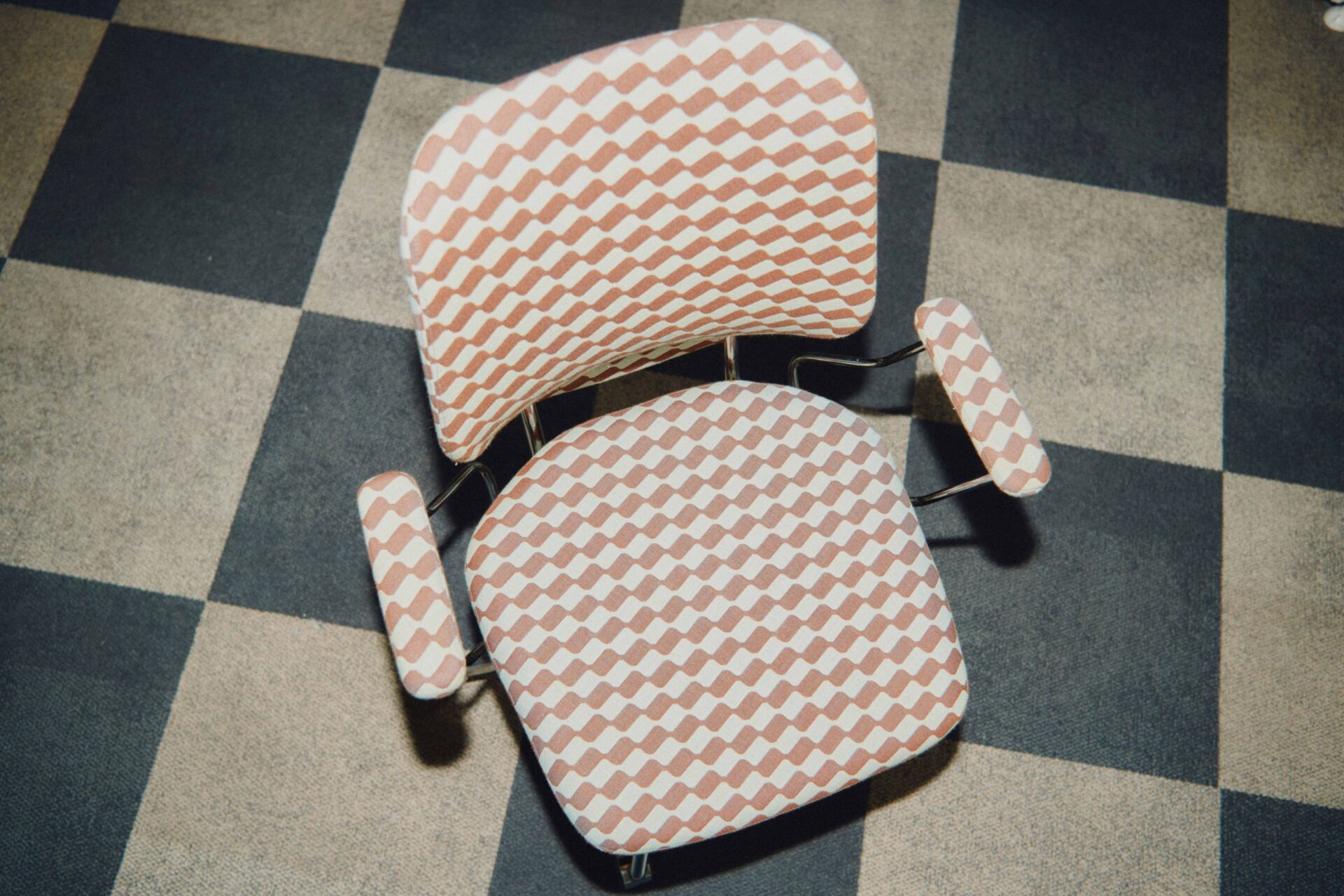
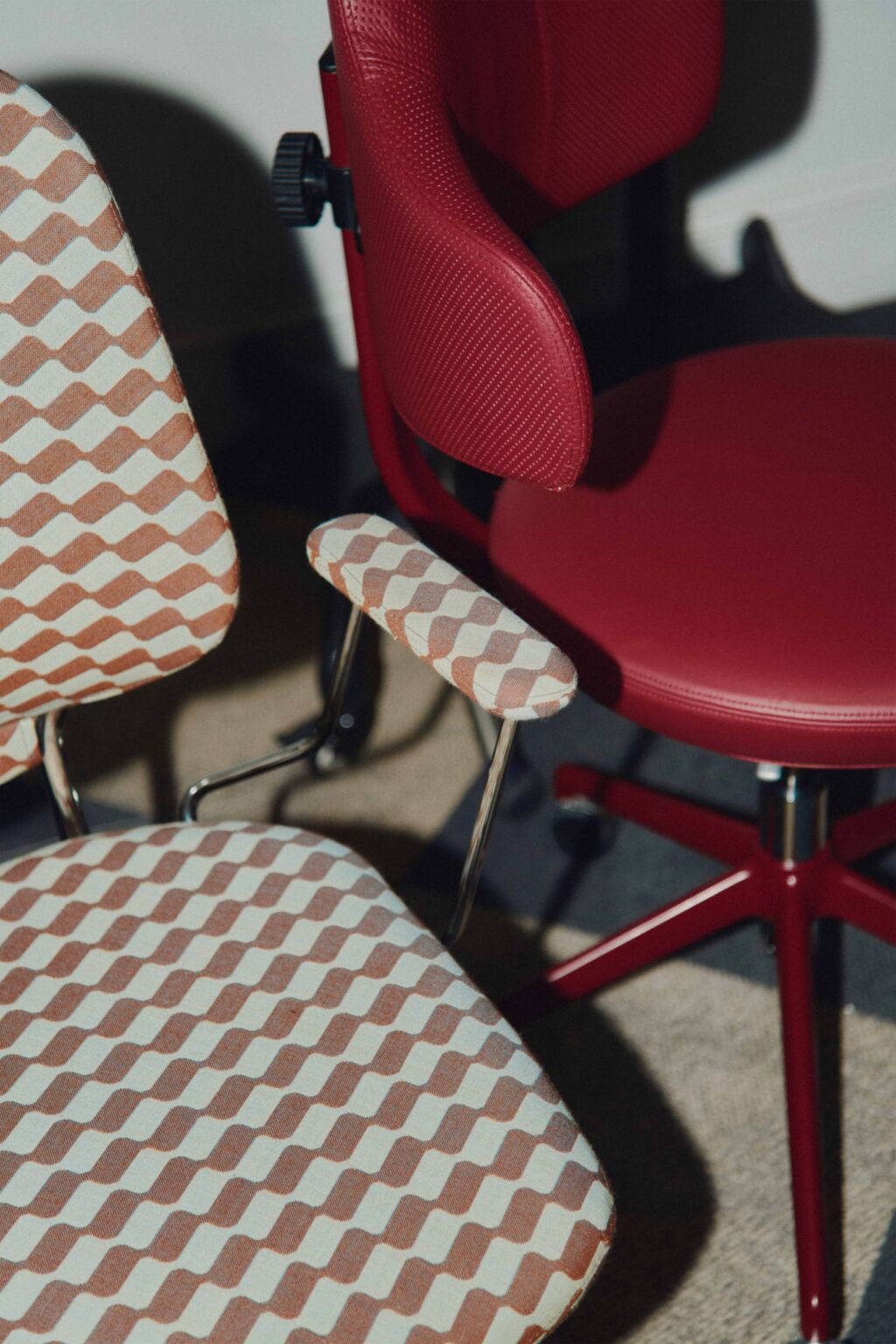
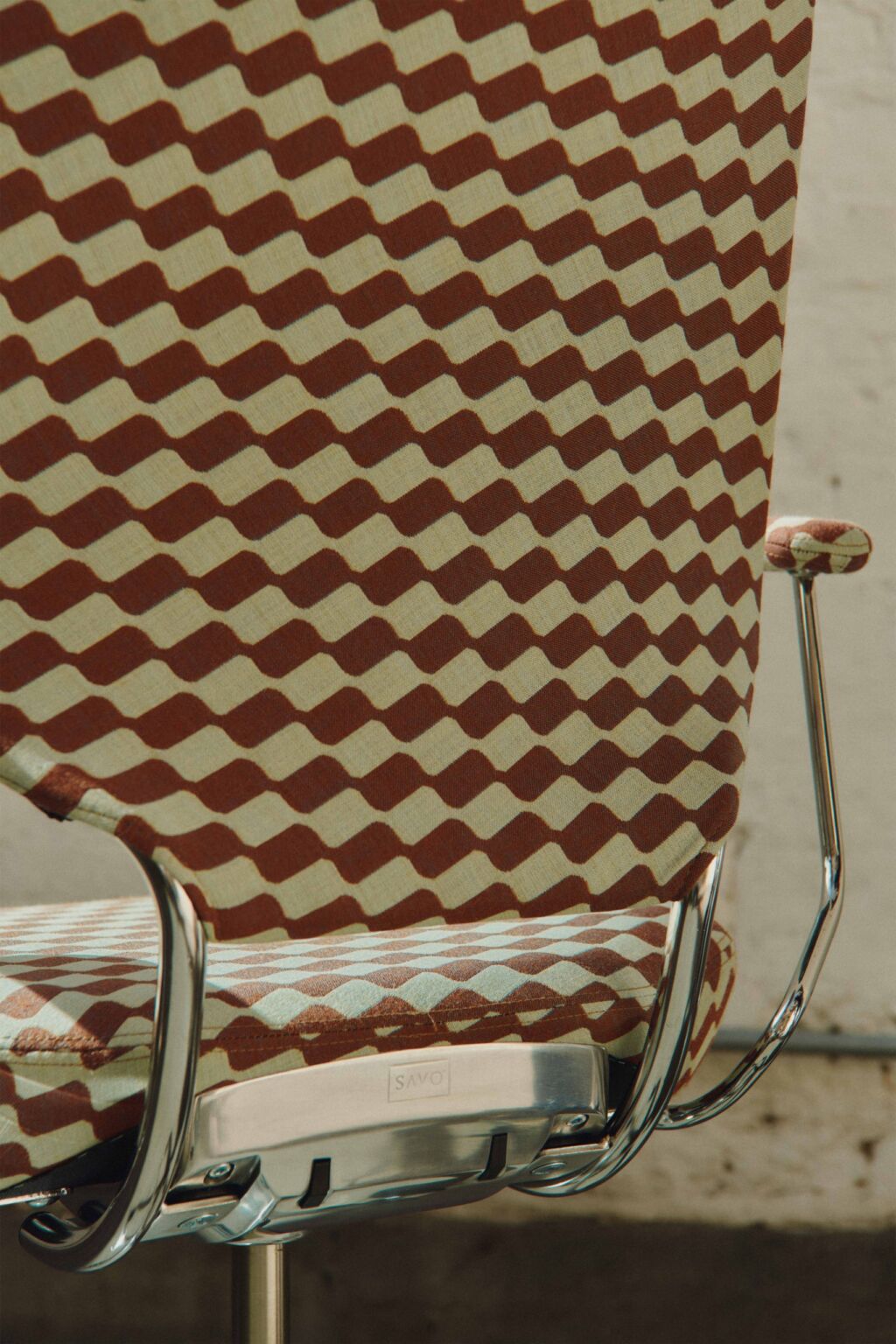
CH: The fabric you picked on the product was the Ludvig Svensson BonBon Melt. What drew you to it?

SA: I had a green-and-brown material palette in mind. When I came across this colour palette, I thought, “That’s quite interesting.” But when I saw the actual pattern, I was like, “This pattern is great.”

Then I thought, can we rotate the pattern so it’s horizontal rather than diagonal? Make the material the main aspect, other than the architectural design of the chair, and have everything silver so the material pops.

When I first saw the Invite, I loved the design. Everything else was silver, and I thought it just looked so beautiful. It’s so different from what you typically expec

CH: At 3daysofdesign, you chose the chair before having sat in it. Sitting in a chair involves all your senses – one is visual, but you also experience the chair when you sit in it. Now that you have the chair, how do you feel about it?

SA: Honestly, the chair is so comfortable. You’re right – if you’re looking at chairs, you need to experience the chair.

Sitting in the chair and experiencing it has been very eye-opening. I’d also like to see what all the other chairs are like. Maybe not having an armrest or having a headrest could also be quite cool. But that’s the important thing: testing and trying out the chair.

CH: We published a white paper for Savo during 3daysofdesign where we tried to move the office chair from the back seat to the front row. Why do people see the office chair as boring, and how do we change that perception?

SA: I think we need to make the office chair more sexy. It needs to be something that people actually look at and think, “That’s actually quite good design.”
If there are more examples of office chairs that look interesting and striking, people are going to be like, “Why are we sitting in these black or grey muted chairs that we’re not doing interesting things with?” They need to be front and centre because you spend so much time in an office chair.

We should also think about the ergonomics. Do you need an armrest? Do you need a headrest? What’s your posture? These are fundamental to your health and how you sit.
A lot of the people looking at office chairs probably aren’t designers. They might be inheriting a chair and not critically thinking until they feel physical pain. If more designers said, “Why can’t we make all of our office chairs a bold colour?” then there’s a conversation there.

CH: I want to rewind a little to the social work you’re doing. Alongside becoming an architect, you’ve found ways to give back to the community and encourage people who perhaps thought, “I could never do that.” Can you explain why that’s important to you and how you’re doing it today?

SA: I’ll give food as an analogy. If you ate the same food from the same country every day, you’d get bored of it after a while. If you treat design in the same vein, if you see the same type of design all the time, you would eventually get bored of it.
If you see lots of different design, it’s exciting. You learn about different cultures and heritage, and then see their spin on the same thing.

With the work I do, I always think: if the design community is the same demographic or the same type of person doing all the design work, how will we see a wealth of interest in design? Are there people who aren’t in the design industry, or whose voices aren’t being represented? How can they be brought into the conversation? What interesting, innovative approaches could come off the back of that?

I think that’s what design should be about. It should be about inviting everyone with different identities, heritage and cultures to have a conversation about design.

CH: Is this where POoR – Power Out of Restriction – comes from?

SA: We always knew we wanted the business to be an acronym. The idea was to take words that may have a slightly negative connotation and unpack them into something powerful.

When you say “poor” to people, they’re like, “Poor? Why would you want to call yourself poor?” But then it’s Power Out of Restriction.

The reason we went with that name was looking at people who may feel as if they don’t have a voice, feel restricted, or feel like –

CH: – there’s some sort of barrier they can’t get through.

SA: Yeah. If someone’s got a genuine lived experience of what a place, an object, or an experience is like, you just can’t get that from research, because that might be their way of life. And there’s a real power in that. For us, it’s about recognising that power.

CH: If we think about the future of workspace design, what would be your top tip for us as Scandinavian pioneers of workspace seating? Where do you see it going?


SA: I think it goes back to this idea of: how do you invite people into the workspace and create these interesting moments? Especially post-COVID, if we’re going into the office, we’re going in for a genuine reason.

If people go into the office and they’re like, “I can do this same thing at home,” I think that’s a big problem.

Even in more corporate spaces that are less creative, the design of the space matters. People want offices where they go in and think, “Wow, my office is kind of cool.”

It’s the experience as you move through the spaces. Can you do independent work? Can you work in a pair? Can you work in a group? Can you have meetings? That diversity of spaces is really important. I don’t think people want homogeneous spaces.

CH: I think “ambassador” is a good word to sum up you and your work. It’s not just about being an architect, teacher or writer. It’s about being an ambassador for architecture, design and creativity.

SA: Thank you. If I were to say what my professional mission is, it’s to make design more accessible.

Through architecture, how can I make architecture more accessible to communities? Through my social media, how can I distil information and jargon so the general public can understand it? Through the work we’re doing with POoR, how can we get young people involved in design?

Across all of those avenues, the aim is to make design more accessible because, if it’s more accessible, it’s more fruitful. It’s more interesting. You get different people from different community groups involved, with different takes on things, and you learn from them.

CH: Making design more accessible also raises the question of how much say people have in the decisions that affect them. In an office, people have very little input into the chair they might sit on for up to eight years of their life. How can we involve them more in that choice?

SA: Just ask the people.

A lot of the time, people inherit spaces, objects, and furniture. Designers imagine how a space will look, but they don’t always ask people: How do you use the space? What kind of chair would be helpful? Do you need an armrest? Then you could have seating people actually want, instead of buying something no one’s happy with.

People assume that if you ask what they want, you’ve got endless different things you have to appease. Not necessarily. If one person wants one thing and another wants something else, you can vote. At least the majority will be happy. That’s better than nobody being happy at all.

With the co-design work we do, it’s about managing expectations. Speaking to people doesn’t mean that just because you invite someone into the conversation, whatever they say you have to do. It’s about listening so you can understand and find a good compromise.

And the sooner you bring people into the conversation, the easier it gets. If you’re designing a chair and you ask people at the start, you can incorporate that into the concept development. Whereas if you do all the work and show them at the end and they don’t like it, you’ve got to scrap it.

For me, it’s a no-brainer. You see designs or spaces that fail because they don’t speak to people, and then they have to find some ad hoc way to fix them.

CH: CH: That’s a great place to finish. Whether we’re talking about a chair, a workspace, or architecture more broadly, it comes back to listening to the people who will actually experience it.

Thank you, Shawn. It’s been a really interesting conversation.