Story
Savo’s latest white paper reveals the untapped potential of office seating
Coinciding with its exhibition at 3daysofdesign in Copenhagen, Savo launched a new white paper, ‘Resetting office seating: from the back seat to the front row.’
Coinciding with its exhibition at 3daysofdesign in Copenhagen, Savo launched a new white paper, ‘Resetting office seating: from the back seat to the front row.’
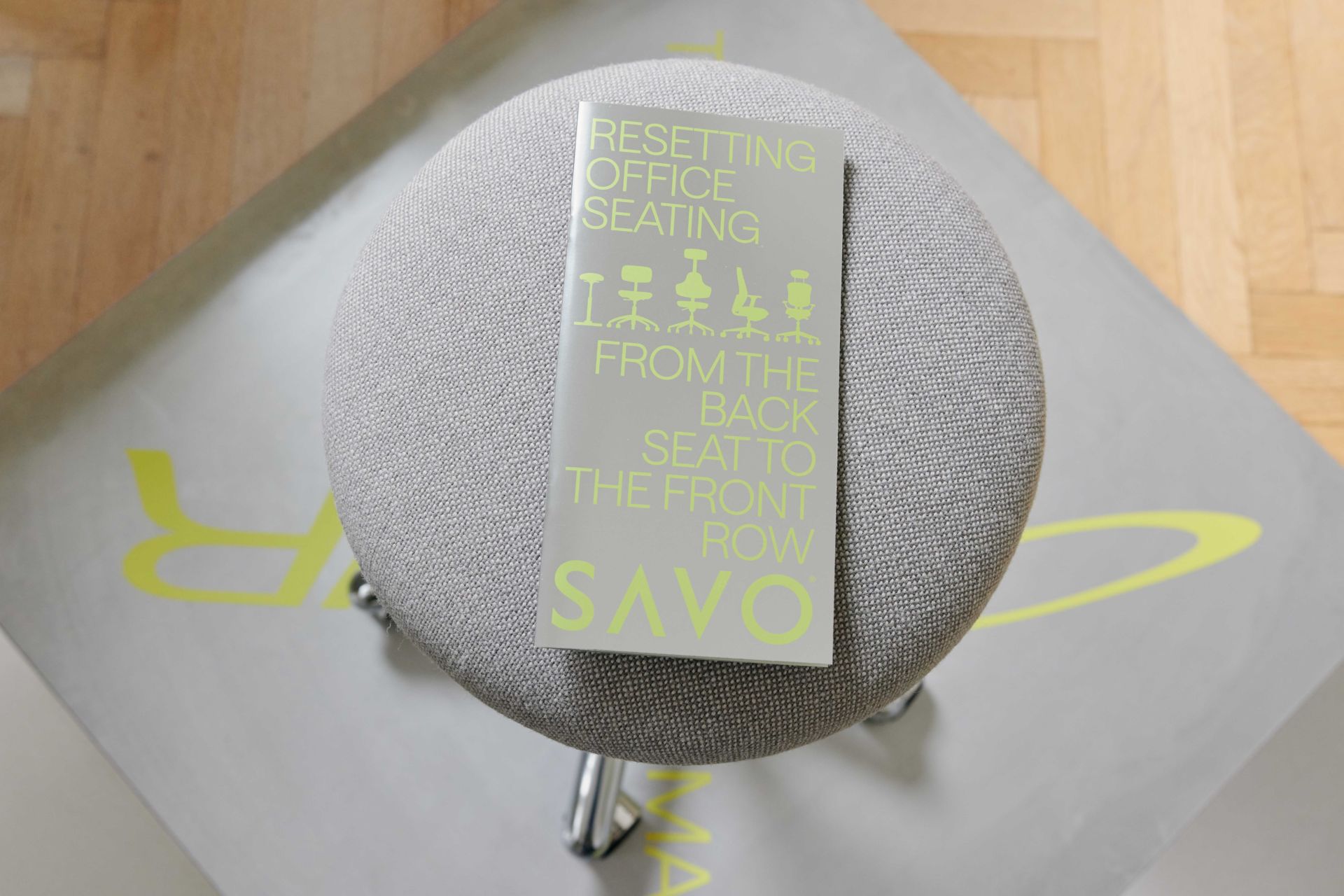
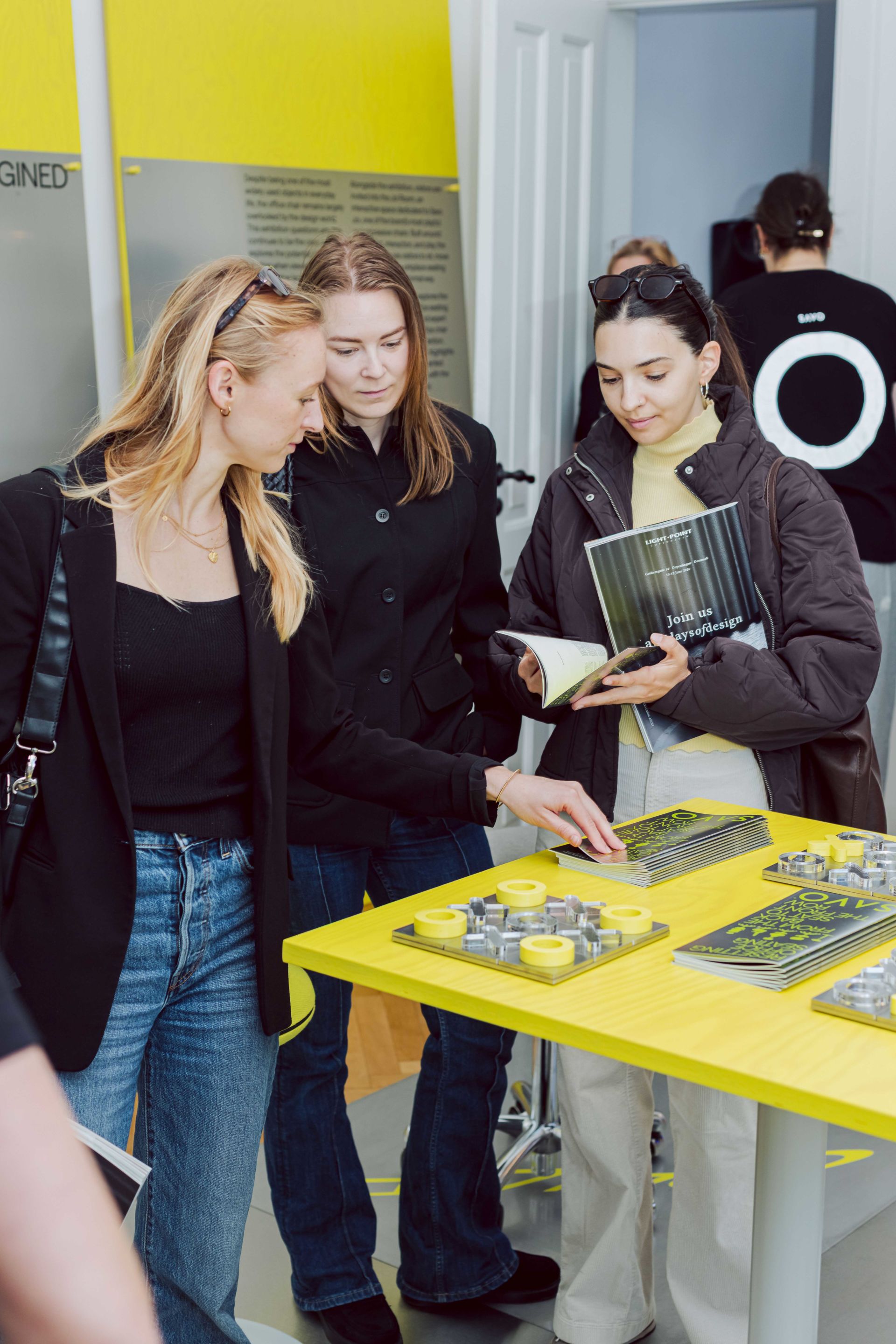
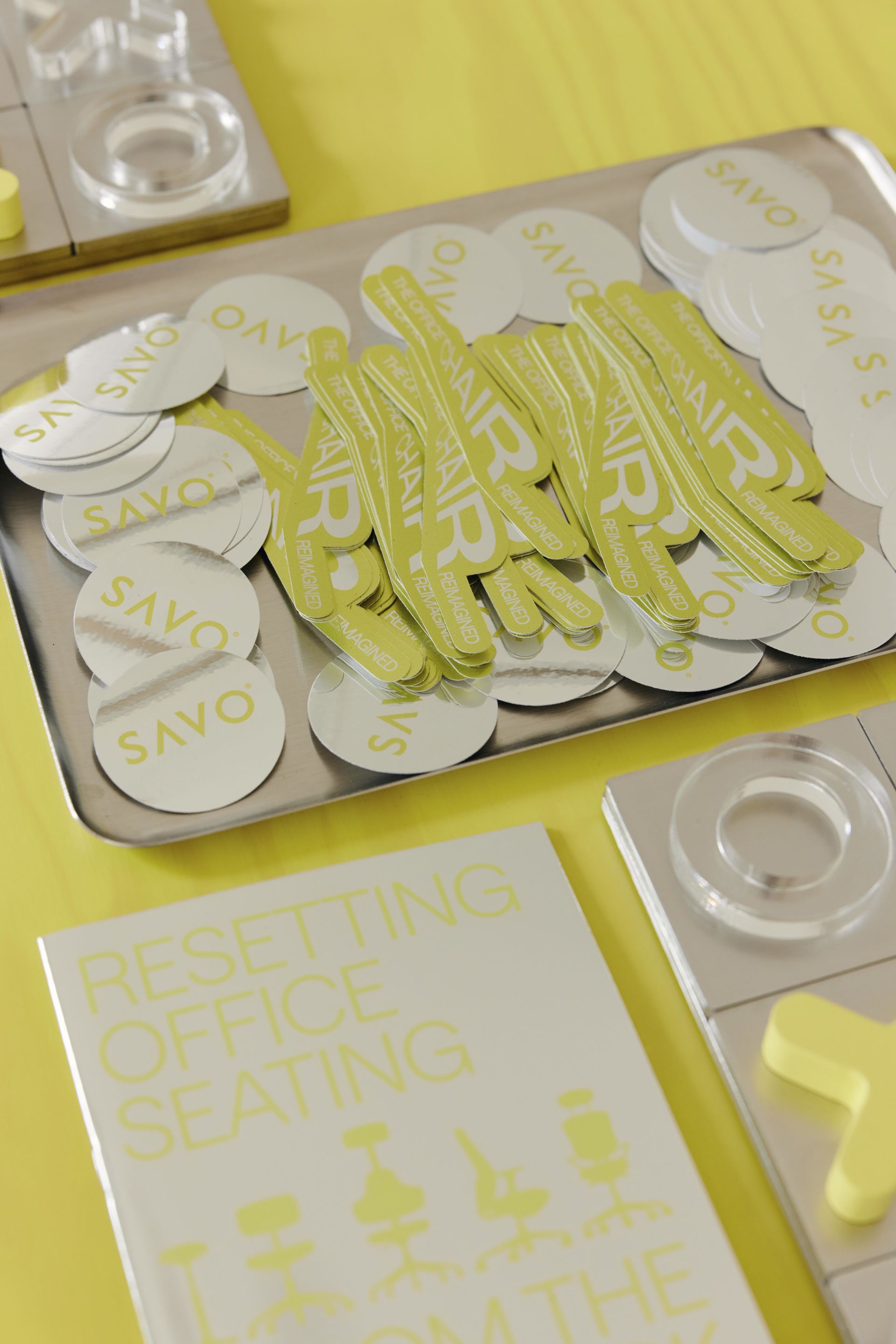
Adding a new dimension to Savo’s exhibition, ‘The office chair reimagined’ – which explores the cultural relevance and untapped potential of the office chair – the report combines original research, industry analysis, and expert perspectives to investigate a simple question: if office seating plays such a significant role in our daily lives, why is it so overlooked in design culture?
The findings reveal a striking disconnect. While office seating may have evolved beyond pure function, the way it is presented, discussed, and perceived has changed very little.
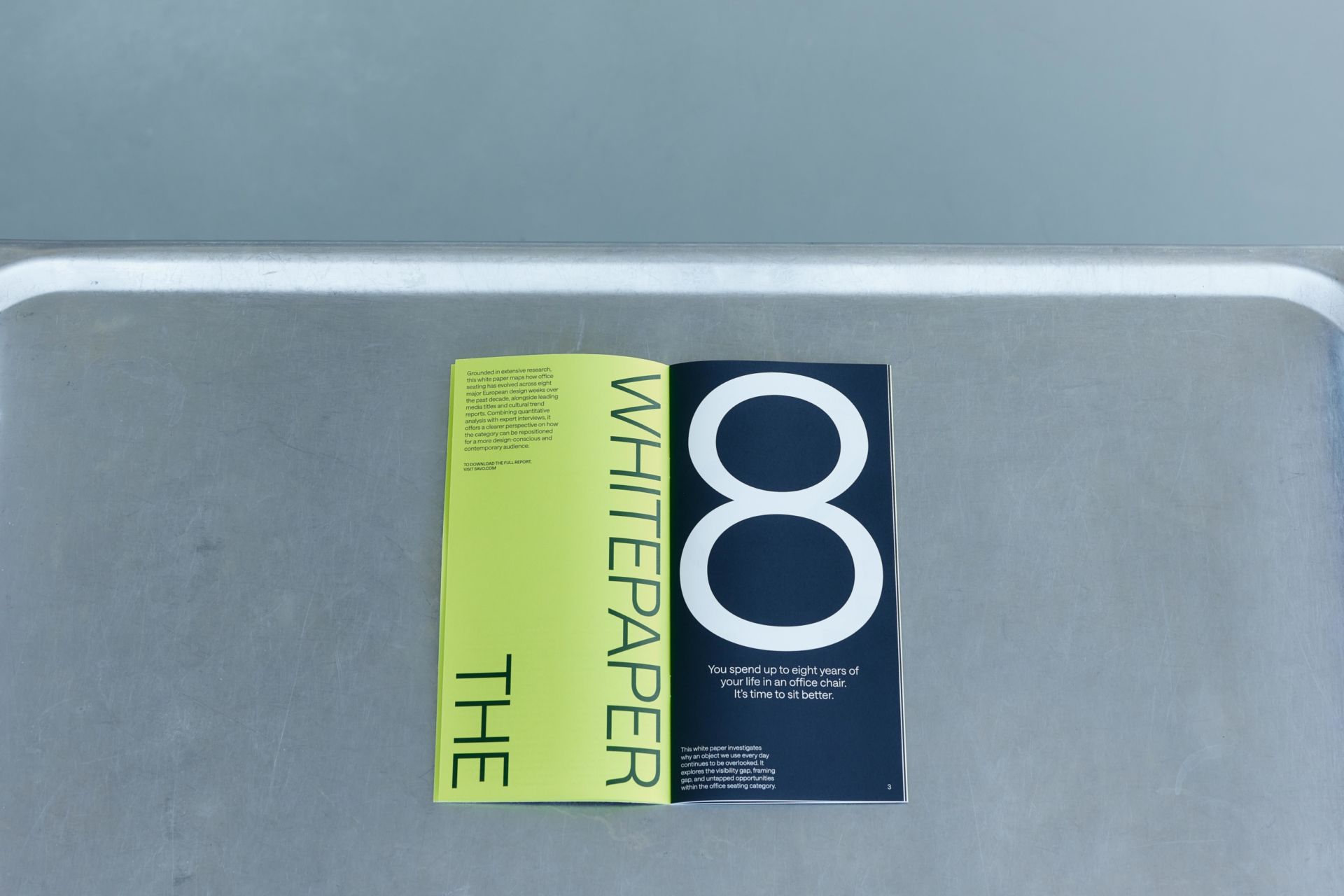
Office seating plays a central role in daily life. We spend up to eight years of our lives in office chairs. Yet the category remains largely invisible within contemporary design culture.
While current conversations around workplace design focus on lounges, collaborative spaces, and hybrid work culture, the reality is that most people still spend the majority of the working day seated at a desk. Despite this, the category rarely takes centre stage in exhibitions, editorial narratives, or broader design conversations.
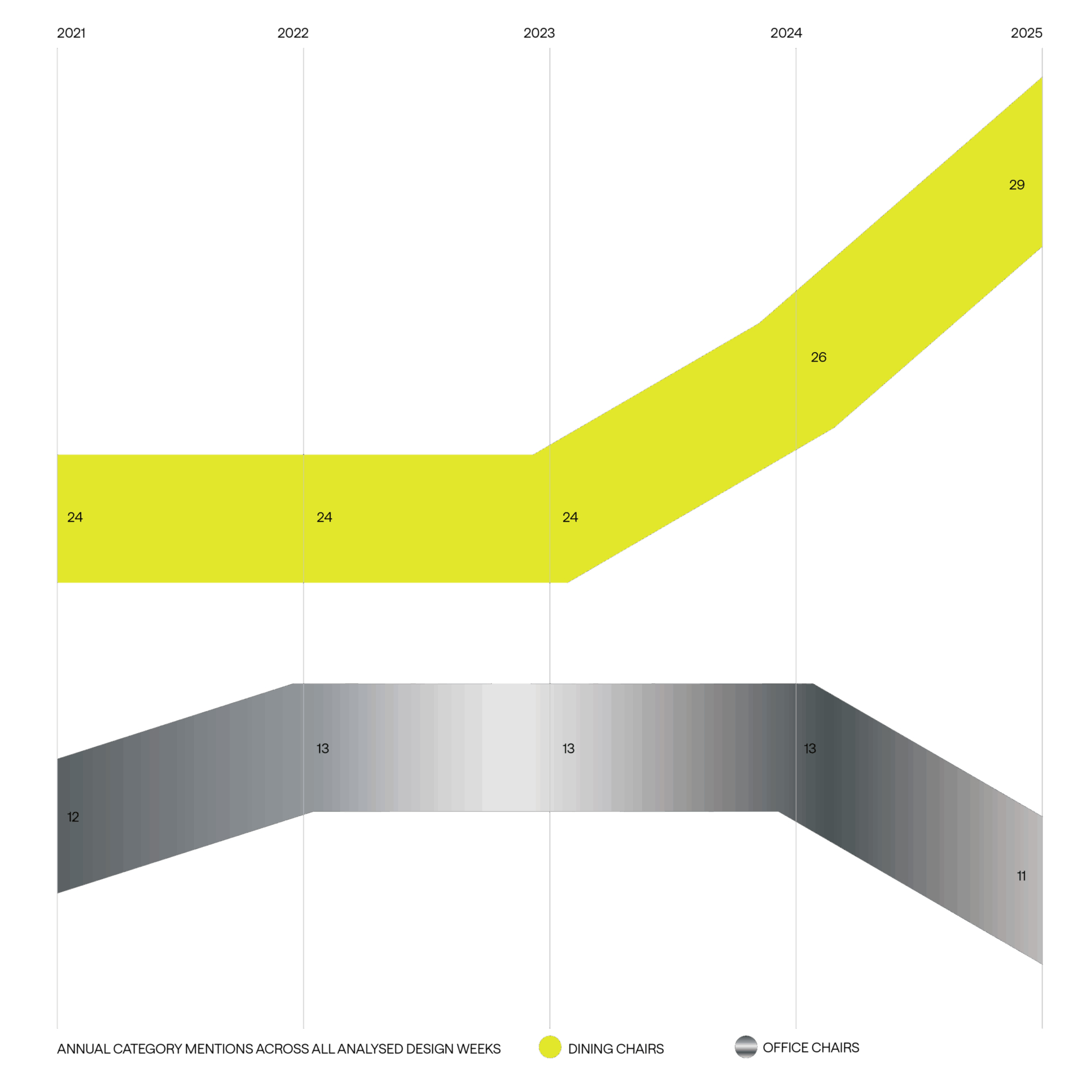
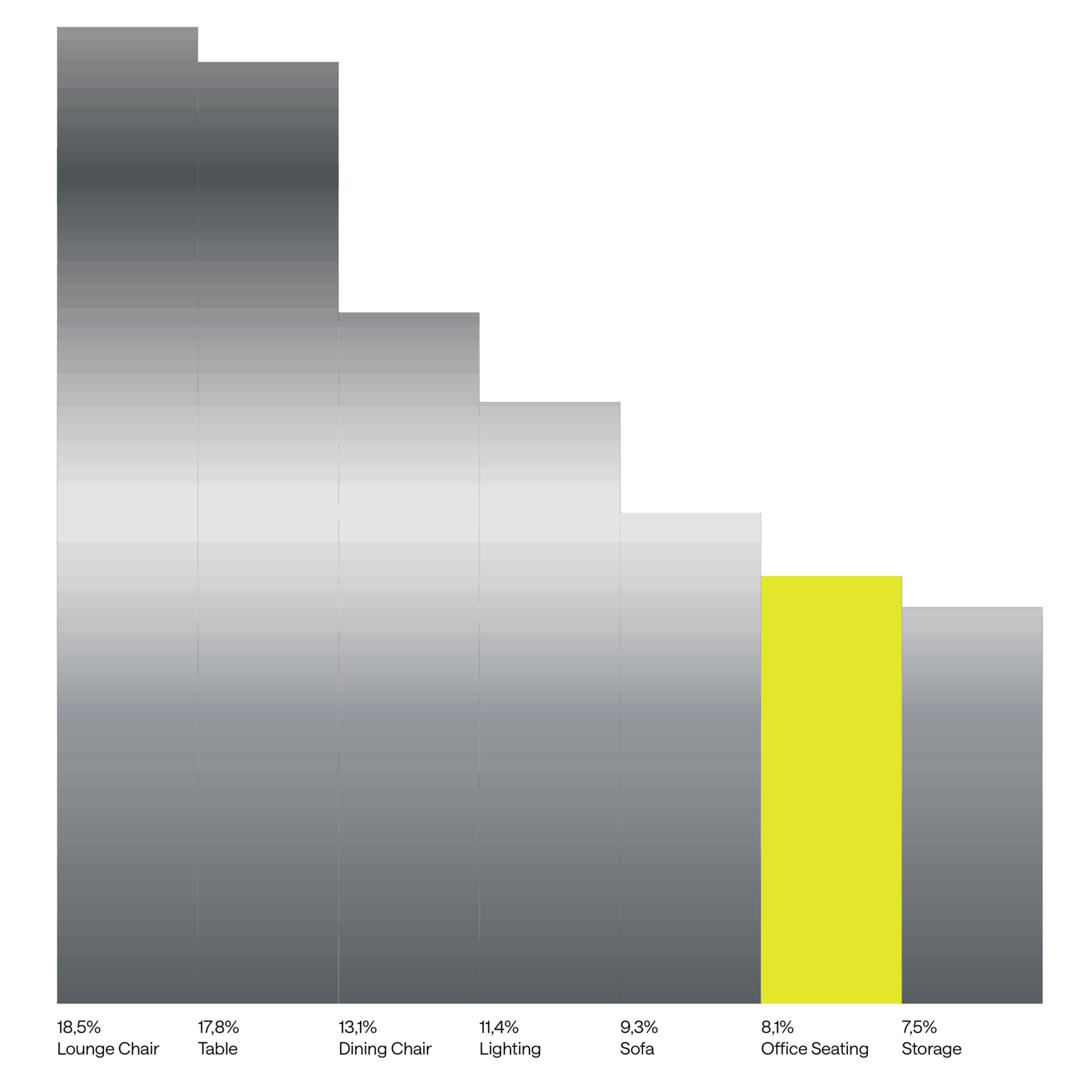
Across ten years of analysed design weeks, office seating accounted for just 8.1% of brand presence. Its visibility has also declined over time, falling from 10.3% of category mentions in 2015 to just 6.7% in 2025.
Meanwhile, adjacent categories such as lounge and dining chairs continue to gain visibility, attention, and cultural relevance.
The white paper suggests visibility is only part of the story.
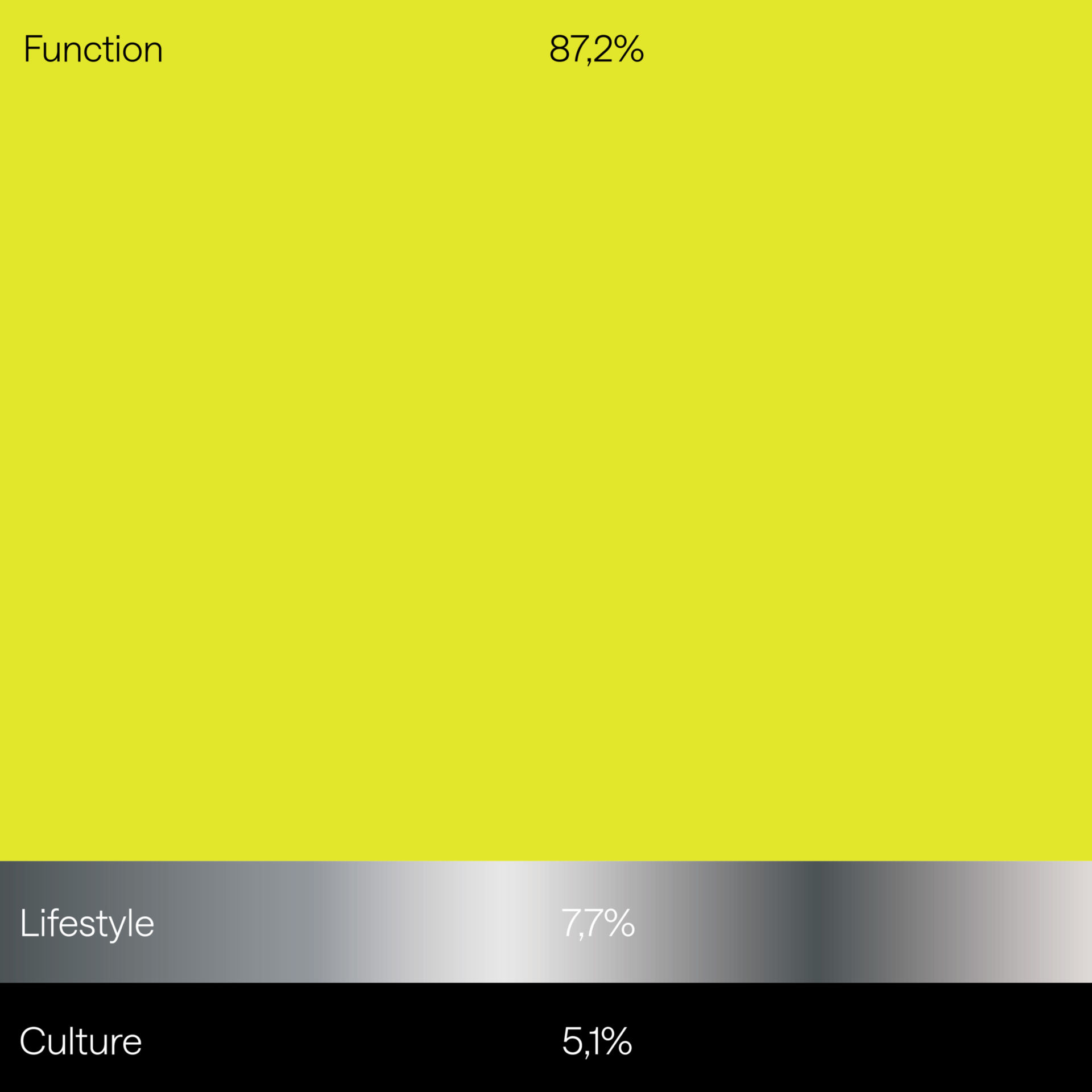
When office seating does appear within design media, exhibitions, and wider cultural conversations, it is almost always framed in terms of function. Across the visibility analysis, 87% of features positioned office seating primarily as a functional product. Likewise, two-thirds of editorial articles focused on comfort, productivity, and ergonomics.These qualities matter, but they also risk reducing office seating to mere equipment rather than recognising the broader role it plays in our everyday lives.
The visual presentation of the category reinforces this perception. In 70% of the analysed articles, office seating appeared as an isolated product rather than as part of a lived-in environment. Unlike lounge or dining chairs, which are often contextualised, office seating continues to be singled out and consequently hasn’t achieved the same cultural status as other design pieces.
At the same time, workplace design is evolving to meet contemporary habits.
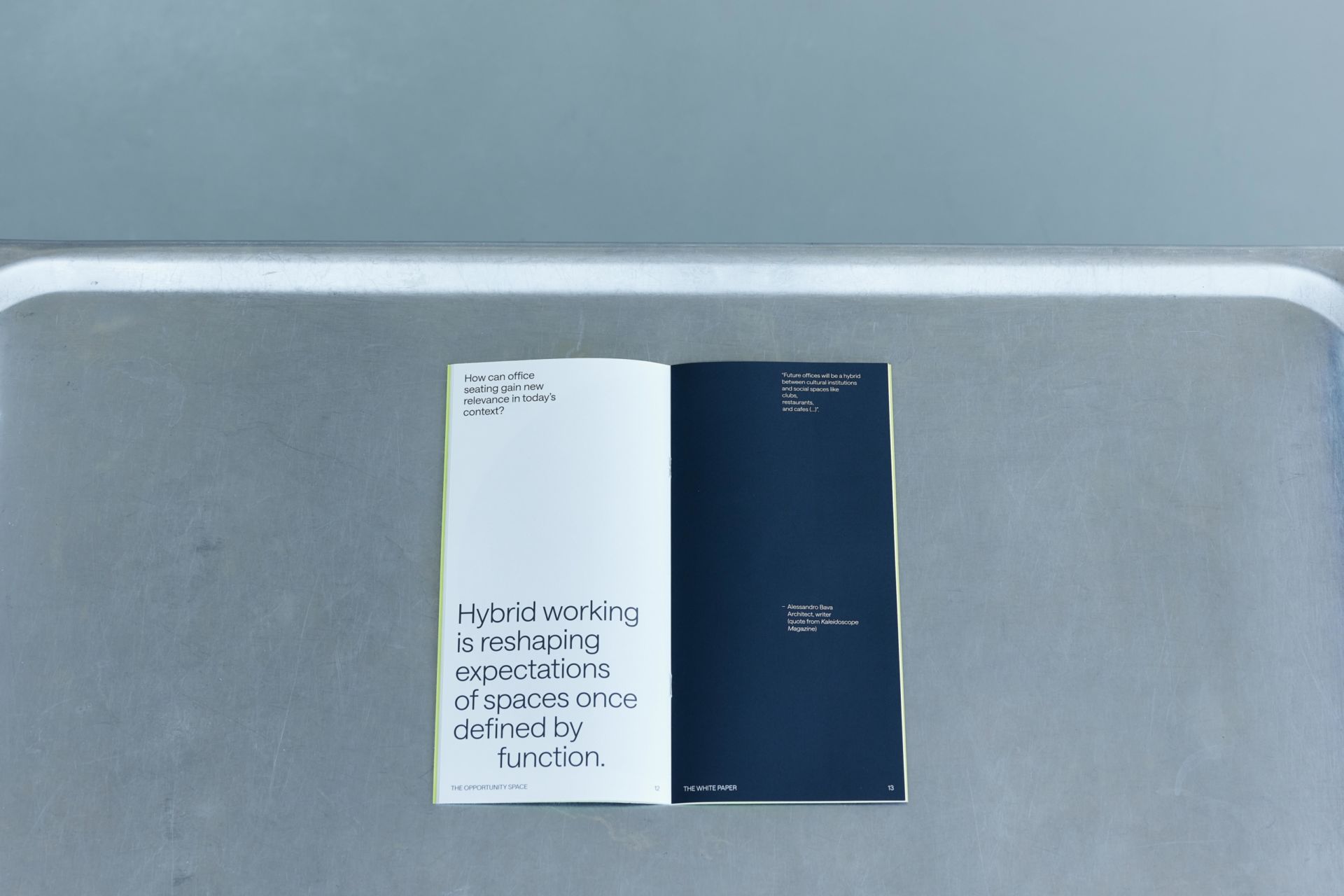
Hybrid work has blurred the boundaries between domestic and professional spaces. Employees increasingly expect workplaces to support wellbeing, flexibility, and personal expression. The office chair is no longer simply a tool for sitting. It has become instrumental to how we work, how we feel, and how we plan our environments.
The white paper argues that this shift presents a significant opportunity for the category.
The key takeaway from the white paper is not that office chairs should cease to be seen as functional objects. Rather, it’s that function is only part of their profile.
The opportunity exists to reframe office seating not just as workplace equipment, but as a design object in its own right. By shedding its reputation as a purely functional category, office seating can begin to occupy a more prominent position within contemporary design culture.
The full white paper explores these themes in greater depth. It examines how the design world has relegated office chairs to the back seat, and what might happen if we finally move them to the front row.
Photography by Morten Nordstrøm 1, 2, 4 & 5 and Rickard Grönkvist 3